All café dishes › Rice plates and baked rice
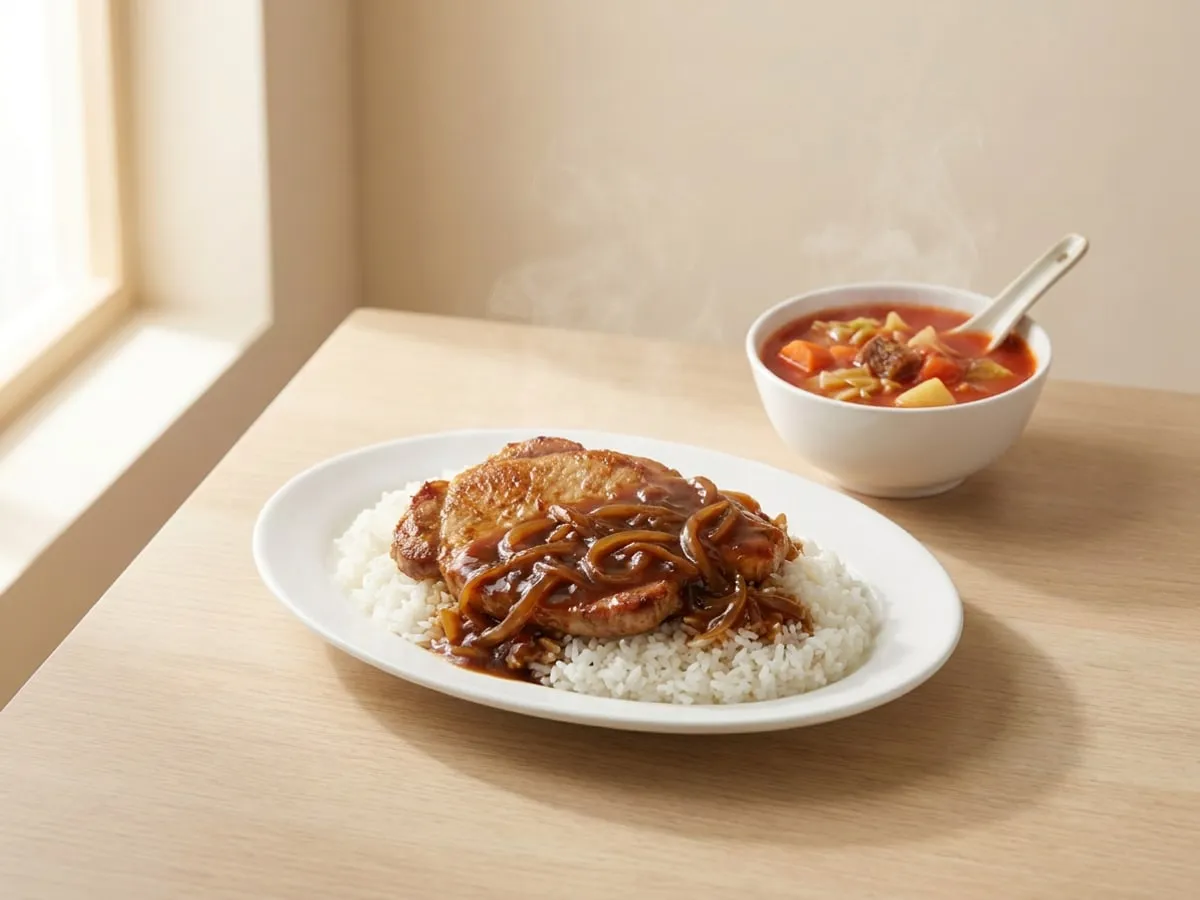
The rice plate and its soup
“A plate of rice and a bowl of soup. Eat first, work after.”
Equipment
- A large soup pot; the borscht is made for the week
How the café does it
- What a rice plate is: one plate, rice on the bottom (plain or the fried-egg base), a topping with its own sauce ladled over so it runs into the rice; at lunch it comes with a bowl of the soup of the day and a drink, for one price. The topping is the dish; the plate is the format. The home version is the same plate on the family table, rice on a plate rather than in a bowl, the dish on top, the sauce poured over, which Hong Kong families do without thinking.
- The soup: the waiter's first question is 中湯 or 西湯, Chinese or Western. The Chinese soup is whatever the family pot is that day, pork bone with carrot and white radish, watercress, hairy gourd with lean pork, old cucumber; that is this site's soup volume and is not repeated here. The Western soup is borscht, or a cream soup or chowder. The café makes one pot in the morning and holds it on the stove all day; by two in the afternoon the potato has gone into the soup, which is why it tastes of tomato paste and sugar more than of beef.
- The drink: milk tea, coffee, yuenyeung or lemon tea, hot with the set, iced for a little more. 走冰 is no ice, 少甜 and 走甜 are less and no sugar, 茶走 is condensed milk in place of evaporated milk and sugar, 飛邊 is toast without crusts, 走青 is no spring onion. A plate, a bowl of soup and a cup of tea is lunch.
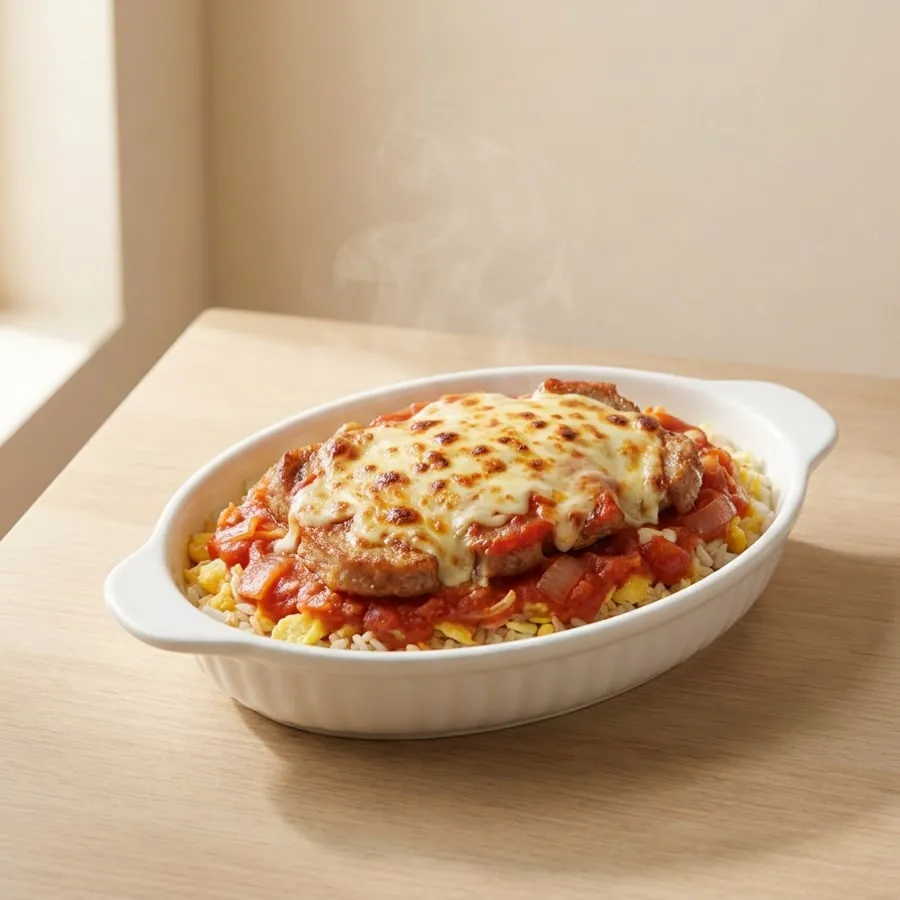
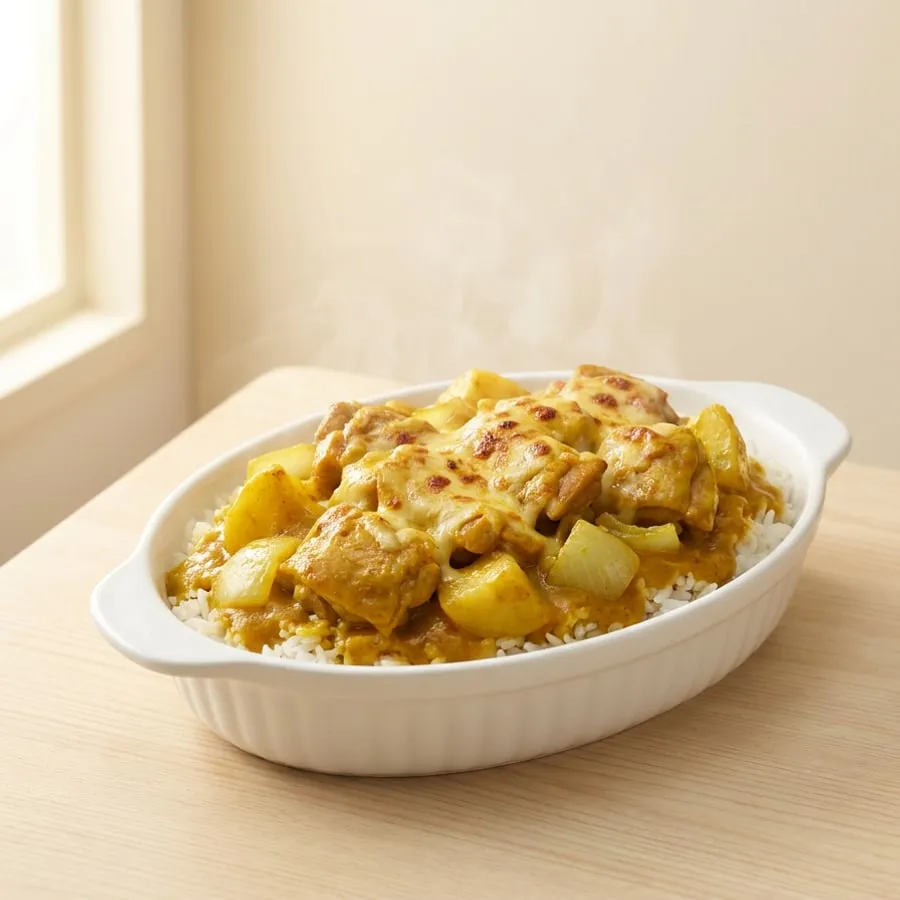
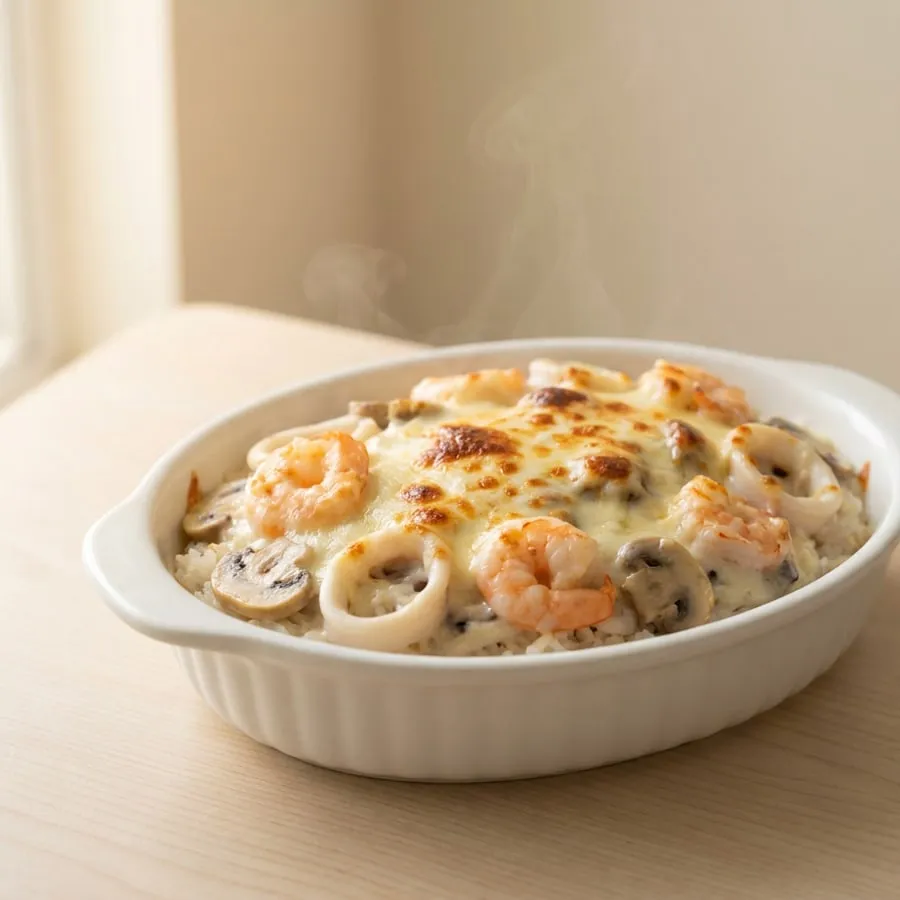
- How the wall fits together: baked pork chop rice, baked Portuguese chicken rice and seafood rice in white sauce are the baked plates; curry brisket rice, chicken steak rice with ginger and spring onion, and Swiss wing rice are the plate lunches; all of them on this wall. Make one big pot of borscht at home, box it into the fridge, and every rice plate that week has its soup.
- The borscht, blanch first: cover the beef with cold water, bring to the boil, cook ten minutes, drain and rinse off the scum, and cut into 2 cm pieces.
- Fry before you simmer: melt the butter in the soup pot, soften the onion, then fry the carrot, celery and potato for three minutes; add the tomato wedges and the tomato paste and fry until the paste darkens a shade and smells sweet rather than raw. Frying first is what makes the soup thick; the older home way puts everything into cold water and boils, and is thinner.
- Add the beef, 2.5 litres of water and the bay leaves. Boil hard for ten to fifteen minutes, skim, then lid on and the lowest heat for two hours.
- Add the cabbage for the last thirty minutes so it softens without vanishing. Season with the sugar, salt and black pepper, and a teaspoon of Worcestershire if you like; the sugar is what makes it taste like the shop's. A café borscht often has no beef at all, only vegetables and paste; with brisket trimmings it is 牛腩羅宋湯.
- Serve in a small bowl, three or four mouthfuls. Cool the rest quickly in shallow boxes, into the fridge within two hours, eaten within three days; it reheats better than it started. The cream soup at home needs no tin: soften half an onion and a punnet of mushrooms in two tablespoons of butter, take the pot off the heat and stir in two tablespoons of flour in two or three additions to a smooth paste, return to low heat and add two cups of cold milk a ladle at a time, then a cup of stock, simmer five minutes until it coats the spoon, and finish with three tablespoons of evaporated milk or cream, salt and white pepper, never boiling once the cream is in; the same white base with corn and diced potato is corn chowder.
Take care
- The borscht contains celery (a declared allergen in some jurisdictions) and butter (milk); the cream soup contains milk (butter, milk, cream) and wheat (flour). Beef and chicken cooked through. A big pot of soup must be cooled quickly, in shallow containers and into the fridge within two hours, before it is stored.
The story
明周 puts the plate lunch at the street stalls of Central in the 1930s and 40s: stall keepers laid roast meat on white rice on a plate for the dock workers and coolies who needed a fast, filling meal before a shift. The plate was the invention: a bowl is eaten sitting with a family, a plate standing, fast, alone, with a spoon. 羅宋 is the old Cantonese rendering of Russian, and the soup came to Hong Kong with the Shanghainese after 1949, who had it from the White Russian restaurants of Shanghai; by the 1960s it was the Western soup on every café set, opposite the Chinese soup of the day. 例湯 means the regular soup, the one the shop made that morning, and Chinese or Western is the first question the waiter asks.
Same counter
Lo Fo Tong is cultural food-heritage reference, not medical advice. If you are pregnant, unwell or on medication, talk to your doctor or registered practitioner before changing what is in the pot.