Fish belly
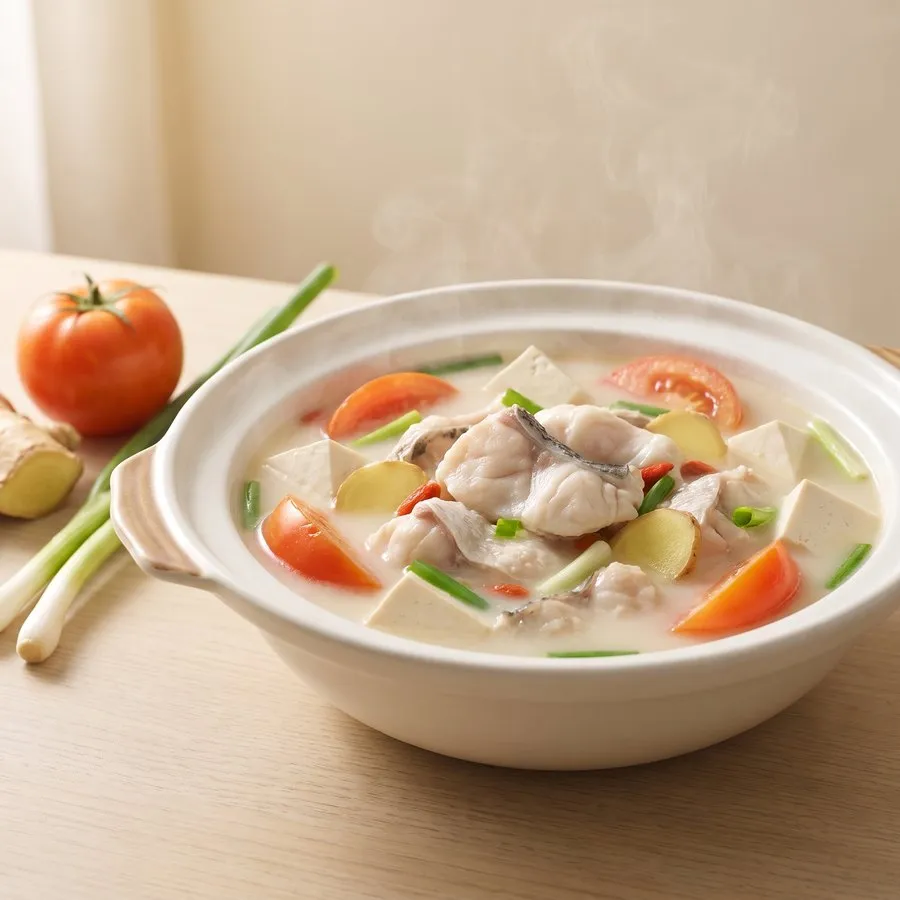
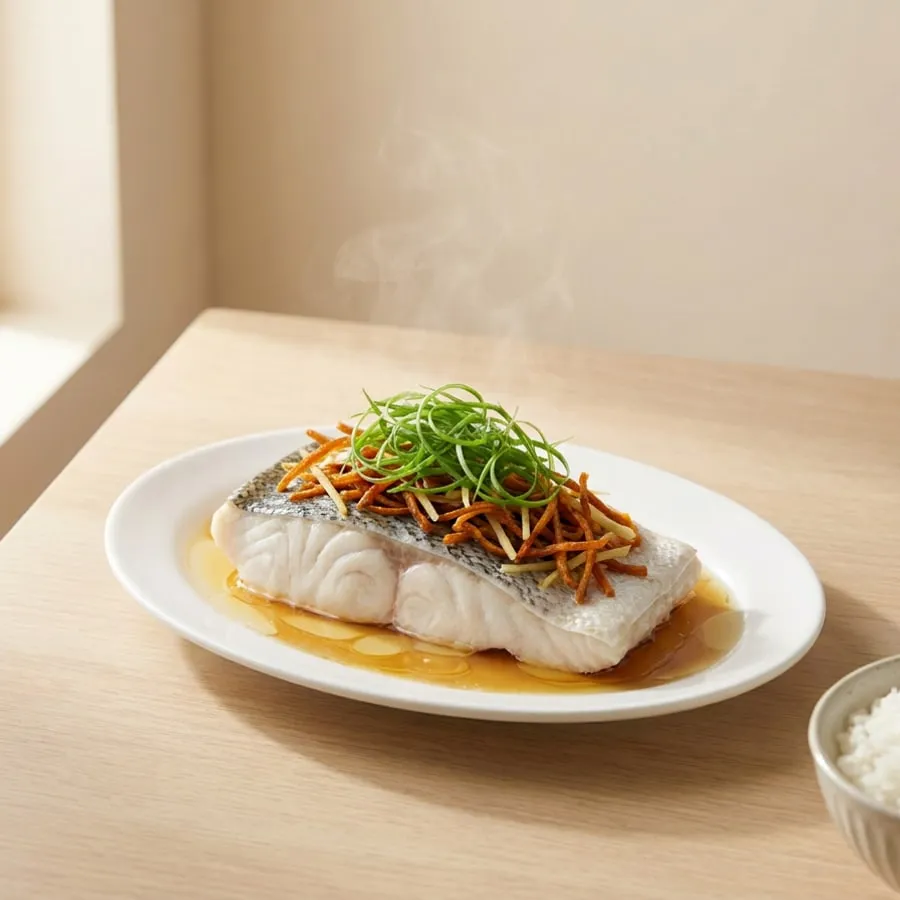
The belly cut of a large fish, the fattiest and most gelatinous part of it, cut specially by market fish stalls for soup and congee. Hong Kong uses grass carp; in Australia a fishmonger will cut the belly off a whole barramundi, or sell you a snapper frame, both of which stay white. Salmon belly is the fattiest and cheapest of the three but tints the broth. Fried in a ginger-rubbed wok, splashed with wine and hit with fully boiling water, it yields the milkiest, richest fish broth of any cut. Tomato-and-fish-belly soup is the homely showcase.
TCM properties
Nature · neutral Flavour · sweet Meridians · spleen、stomach
Traditional food therapy
In Cantonese food therapy fish belly is used to nourish yin, strengthen the spleen and care for the stomach, its natural oils making the prized milky broth.
Cautions: read first
- Safety criticalFreshwater fish such as grass carp must be cooked right through; raw or half-cooked they carry a risk of Chinese liver fluke
- The belly is on the fatty side, so switch to fish slices if you are eating light
- Those with gout should go carefully with milky fish soups
- Watch out for the bones
Preparation
Pat it dry, start the wok with ginger and sear both sides until fragrant, splash in wine, then add boiling water (it must be boiling) and keep it at a hard boil to bring the milky colour out.
Origin
The pond-fish farming areas of the Pearl River Delta (grass carp). Grass carp is not retailed in Australia. Ask a fishmonger to cut the belly off a whole barramundi, or buy a snapper frame; both stay white in the pot. Salmon belly is fattier and cheaper, but it tints the broth
Availability in Australia
Easy to find