All café dishes › Soup noodles
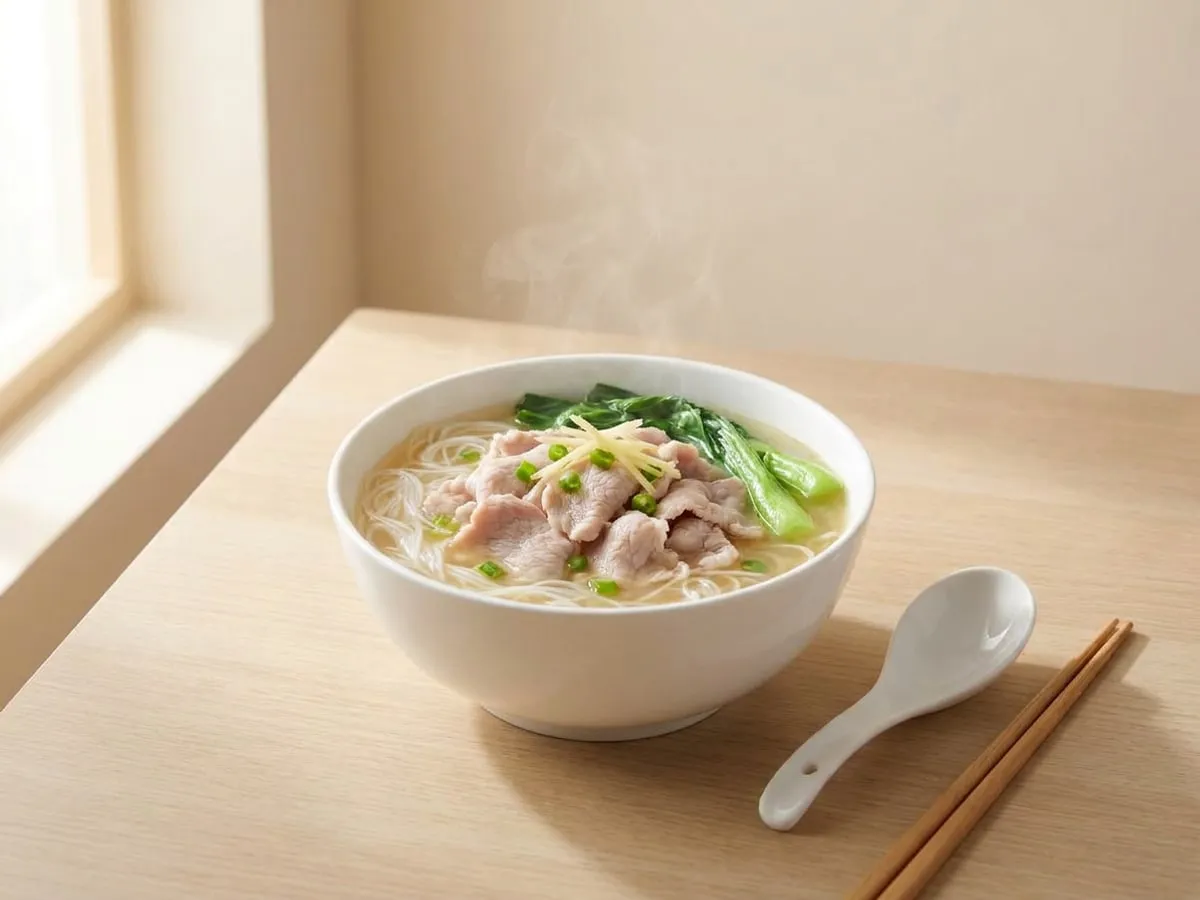
Sliced pork rice vermicelli soup
肉片湯米
“Give the soup its time. The noodles get their own pot.”
Ask Ah Ma
Ingredientsserves 2
Peppercorn, chiefly white· white peppercorns, lightly crushed, for the soup; a pinch of ground pepper for the marinade and the bowl1 tsp, plus a pinch
Choy sum4–6 stems
Method
- The soup (a pot makes six bowls; freeze the rest two bowls to a box): put the pork bones into cold water, bring to the boil and boil five minutes to blanch, then rinse. Toast the dried flounder in a dry wok or the oven until fragrant and crisp, and scrape off any burnt edge, or the whole pot turns bitter.
- Put the bones, flounder, bean sprouts and a small lump of rock sugar into 3 litres of water, bring to the boil and skim, then turn to the lowest heat with the lid ajar so the surface barely trembles, and simmer two to three hours; after the first half hour add the dried shrimp and the lightly crushed white peppercorns. A rolling boil clouds the soup.
- Strain the soup and season it with 1 to 1½ teaspoons of salt; the Chiu Chow shops finish it with a few drops of fish sauce. Keep it at a bare simmer. Soup not used today goes into shallow containers and into the fridge within two hours, where it keeps three days, or into the freezer; bring it back to a full boil before it goes into a bowl. The shortcut: tinned or boxed chicken stock let down half and half with water, simmered fifteen minutes with a toasted dried flounder (or a teaspoon of flounder powder) and a slice of ginger.
- Slice the pork 3 mm thick across the grain and mix it with the soy, sugar, a pinch of pepper and the wine, then work in two tablespoons of water a little at a time, rubbing until the meat has taken it all; mix in the cornflour and seal with a teaspoon of oil. Marinate twenty minutes. No salt in the marinade; it tightens the meat.
- In a separate pot of boiling water: soak the vermicelli ten minutes in warm water first, boil it one to two minutes, and lift it into the bowls; blanch the choy sum in the same water. Never cook the vermicelli in the soup.
- Bring about 800 ml of the soup to the boil with the ginger shreds, add the pork and separate the slices with chopsticks; as soon as they turn opaque, about a minute, turn off the heat, and the thin slices finish in the heat of the soup. Cut the thickest slice to check there is no pink.
- Pour the pork and soup over the vermicelli, add the choy sum, spring onion and pepper, and a teaspoon of the preserved cabbage if you like it.
Take care
- Contains soy and wheat (soy sauce); the soup contains fish (dried flounder) and crustacean (dried shrimp). The preserved cabbage is a salted pickle with garlic, so check its label and go easy on salt once it is in. Cook the pork until no pink remains. Cool the soup into the fridge within two hours and bring it back to a full boil to serve.
The story
Sliced pork vermicelli is the bowl a noodle shop makes to order in seconds from the same soup as everything else. The trick that keeps the meat soft is the one every Hong Kong home already uses for beef: no salt in the marinade, water worked in, cornflour and oil to seal. On OpenRice it appears mostly as the 肉片 in someone's 豬雜米, which is how Hong Kong orders it.
Same counter
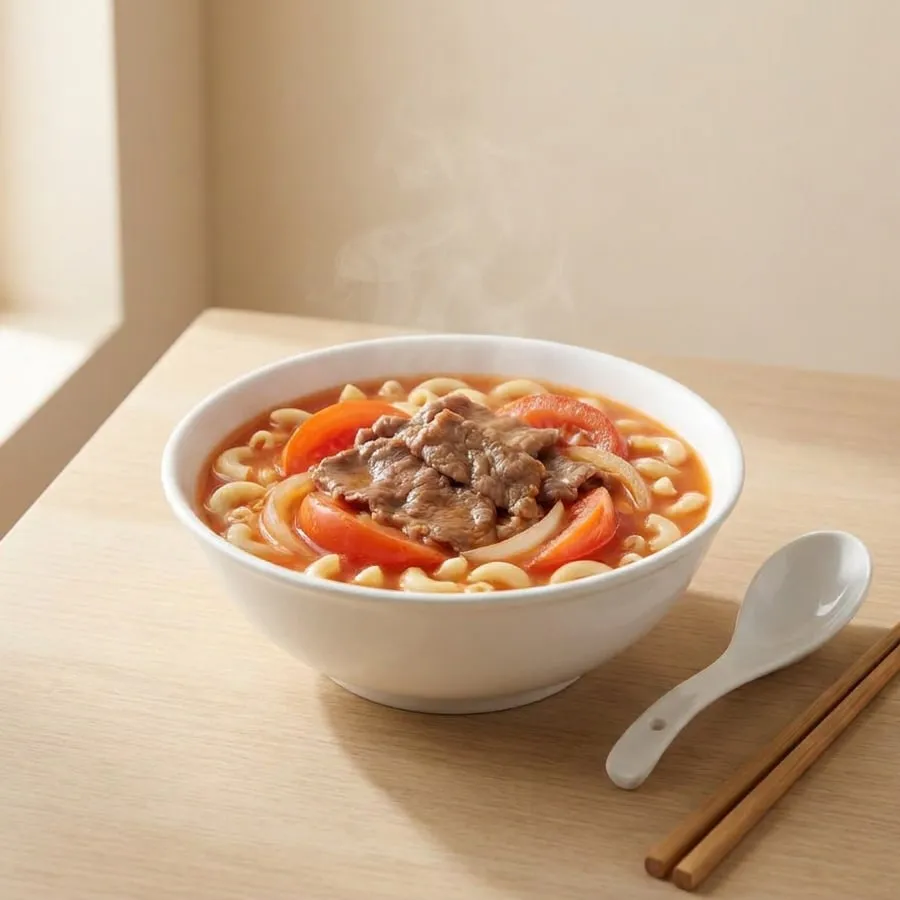
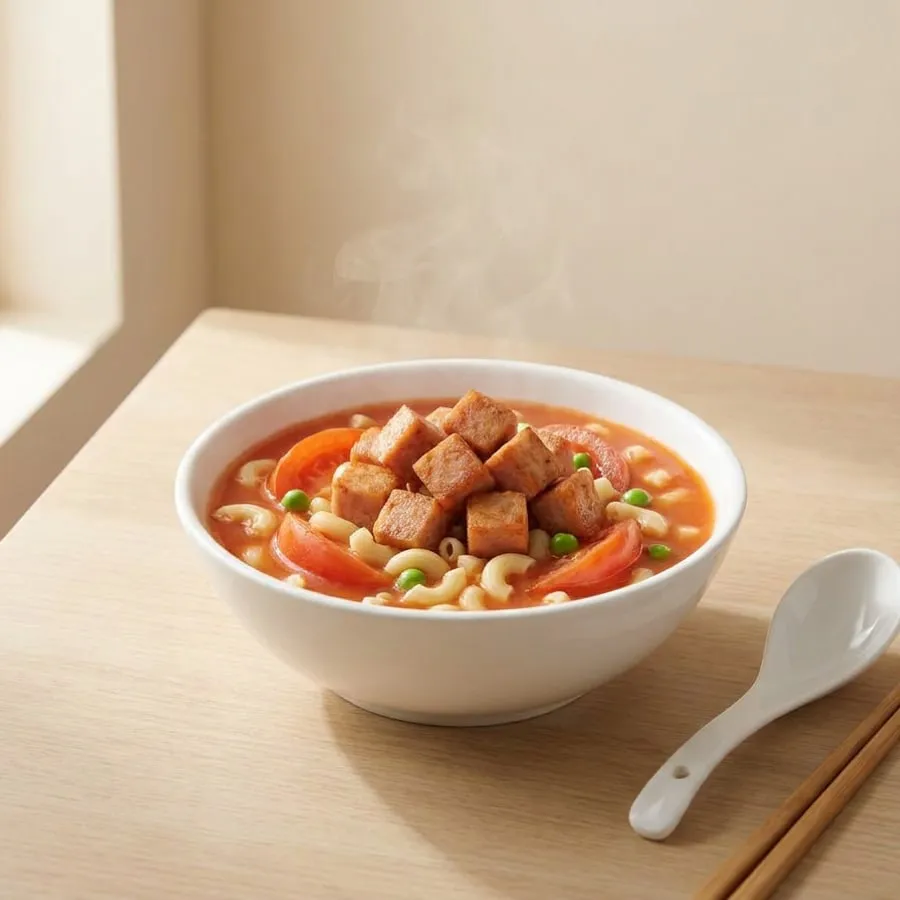
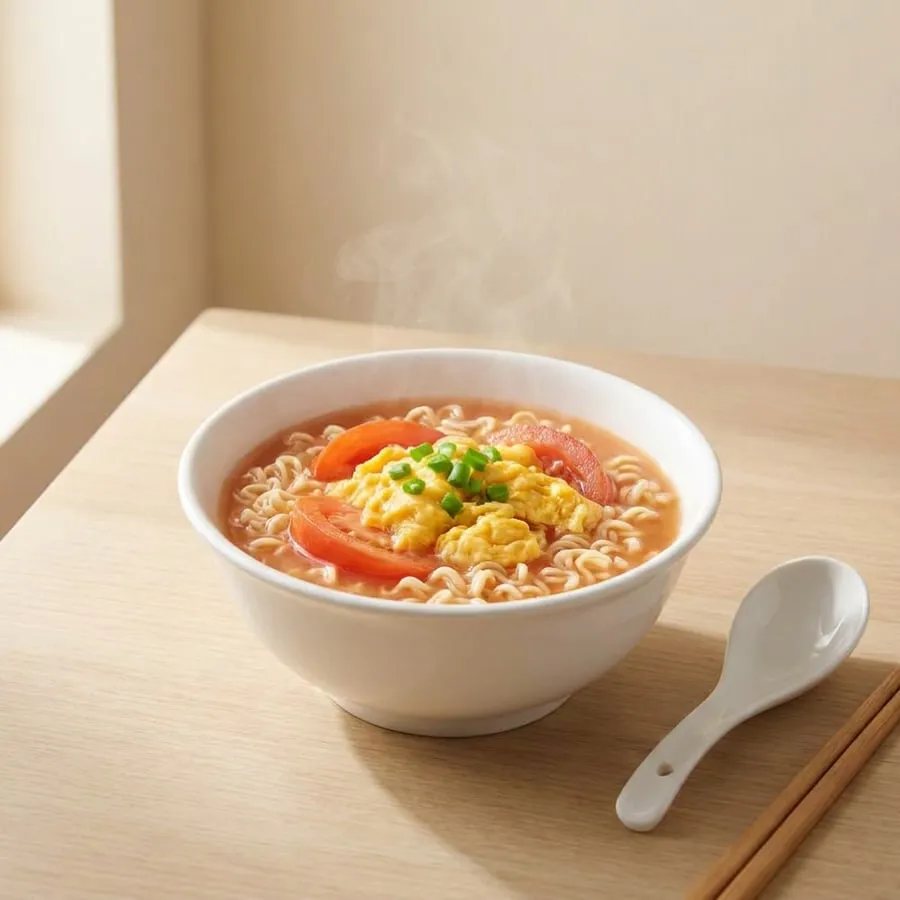
Lo Fo Tong is cultural food-heritage reference, not medical advice. If you are pregnant, unwell or on medication, talk to your doctor or registered practitioner before changing what is in the pot.