All home cooking › Stir-fried
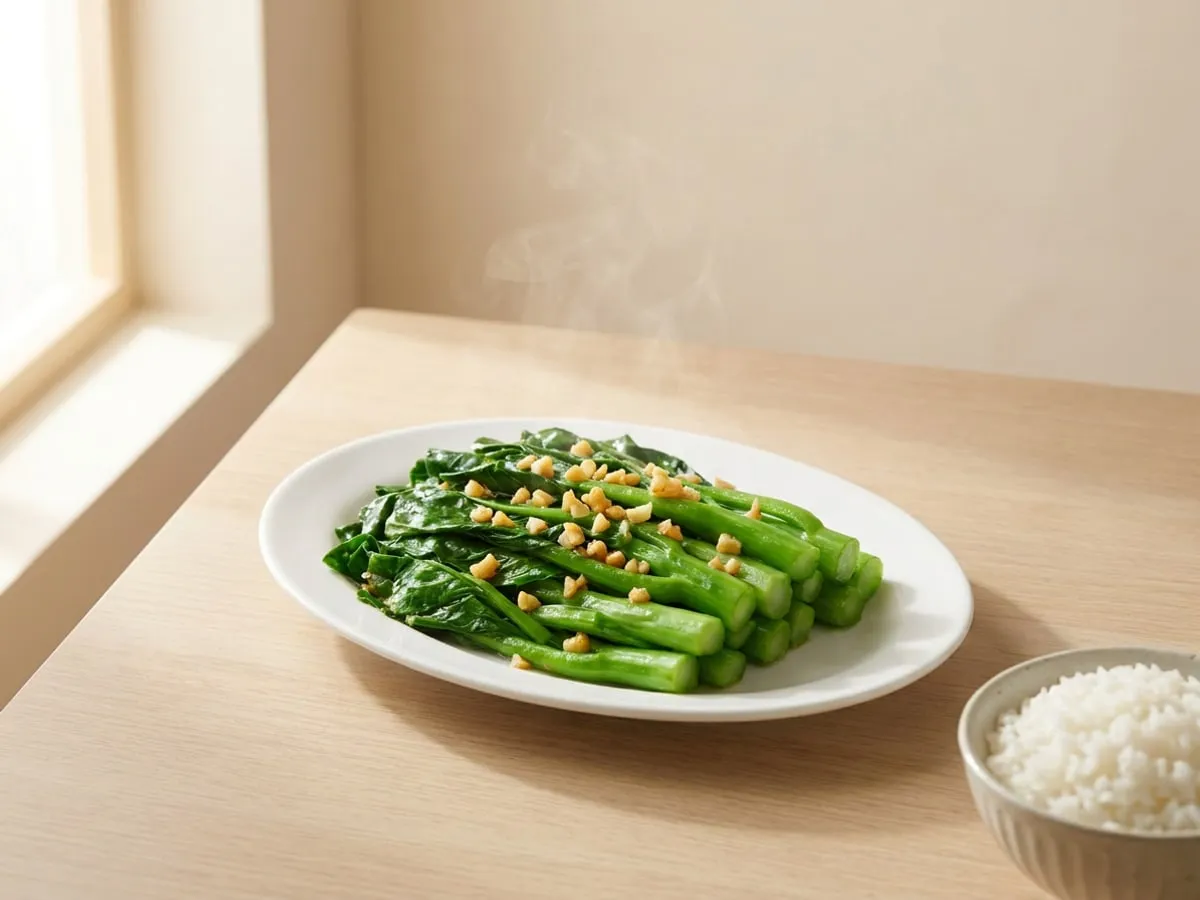
Gai lan with garlic
蒜蓉炒芥蘭
“High heat, a quick toss. Eat it while it is hot.”
Ingredientsserves 4
Method
- Wash the gai lan, peel the tough skin from the lower stems, split the thick ones and cut into lengths; stem and leaf must be of a thickness so they finish together in the wok.
- Bring a wok two-thirds full of water to a rolling boil with a tablespoon of oil and a pinch of salt and sugar; blanch the gai lan sixty to ninety seconds until bright green, lift out and drain well.
- Heat the wok until it just smokes, add two tablespoons of oil, fry the garlic ten seconds until fragrant but not coloured, and add the sugar.
- Return the gai lan, toss on the highest heat, and splash the wine down the side of the wok.
- Add the salt and toss a minute until the stems are crisp-tender and glossy; plate at once, with no thickening.
- Young, thin gai lan need not be blanched: stir-fry it raw, adding two tablespoons of water at step four and tossing two minutes.
Take care
- Contains soy and wheat if finished with soy sauce, and mollusc (oyster) if oyster sauce is poured over; the basic version has no declared allergens.
The story
Gai lan is the sturdy winter green of the Cantonese table and the one that made the crossing to Australian supermarket shelves earliest, under its own name. The bitter edge is the point, and the household trick of a pinch of sugar and a splash of wine in the wok is old enough that Hong Kong recipes assume it rather than state it; Cook1Cook alone lists over eighty gai lan recipes.
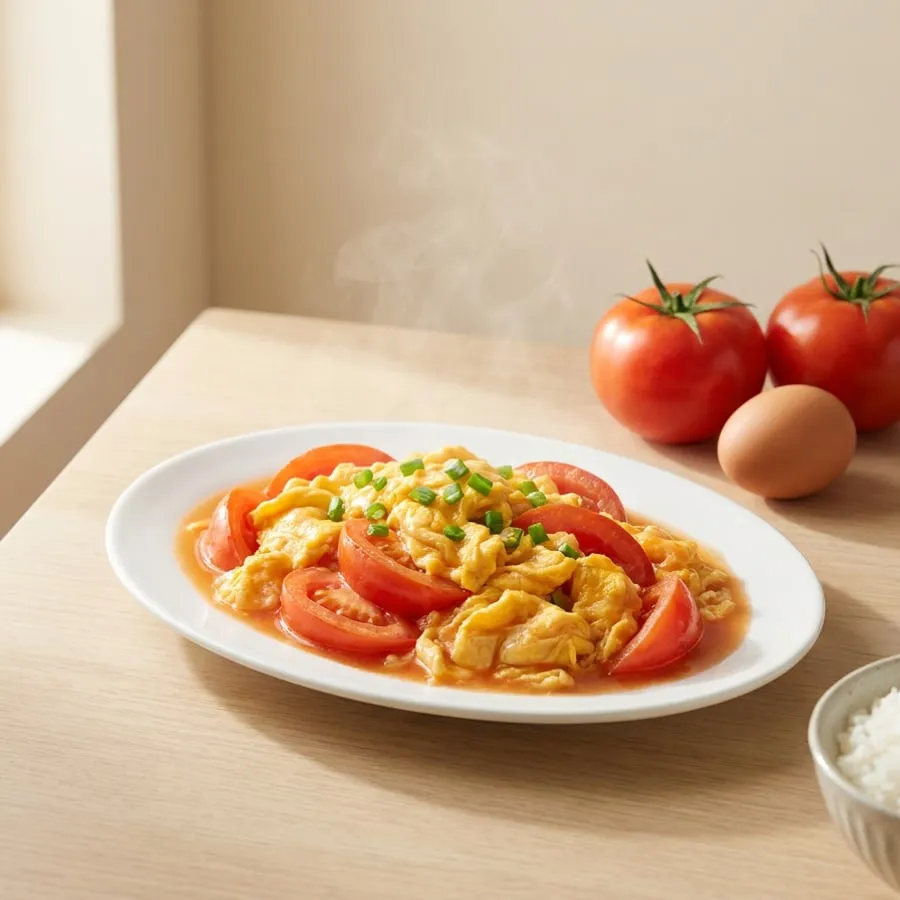
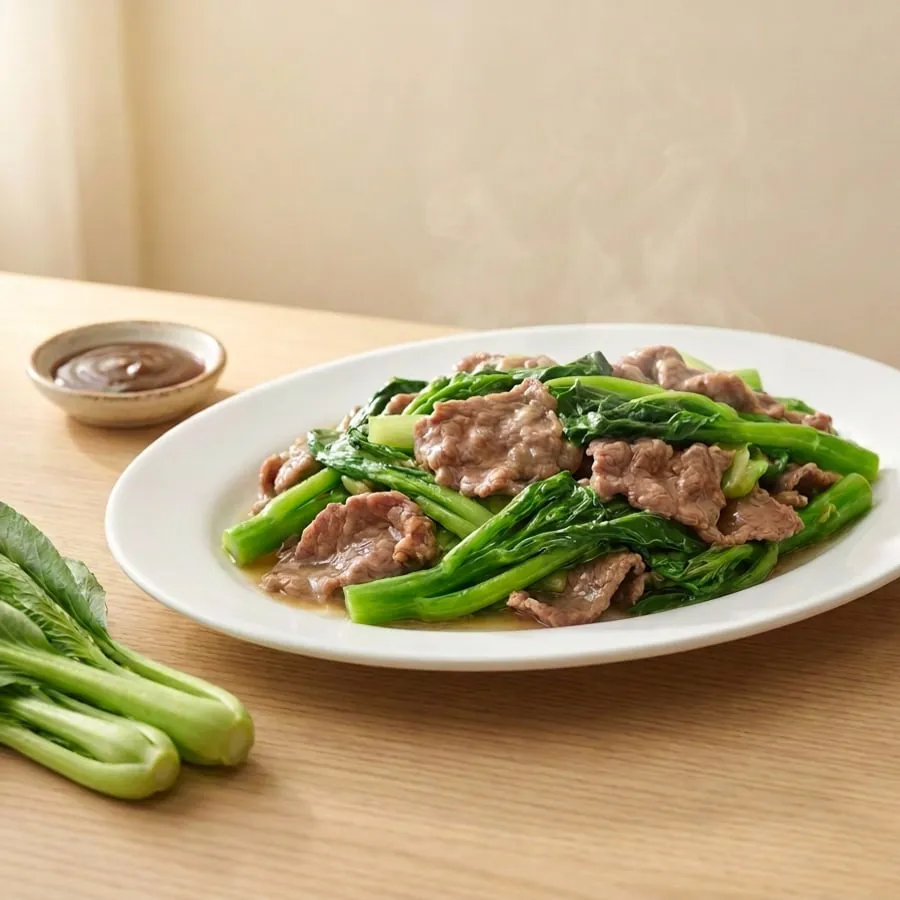
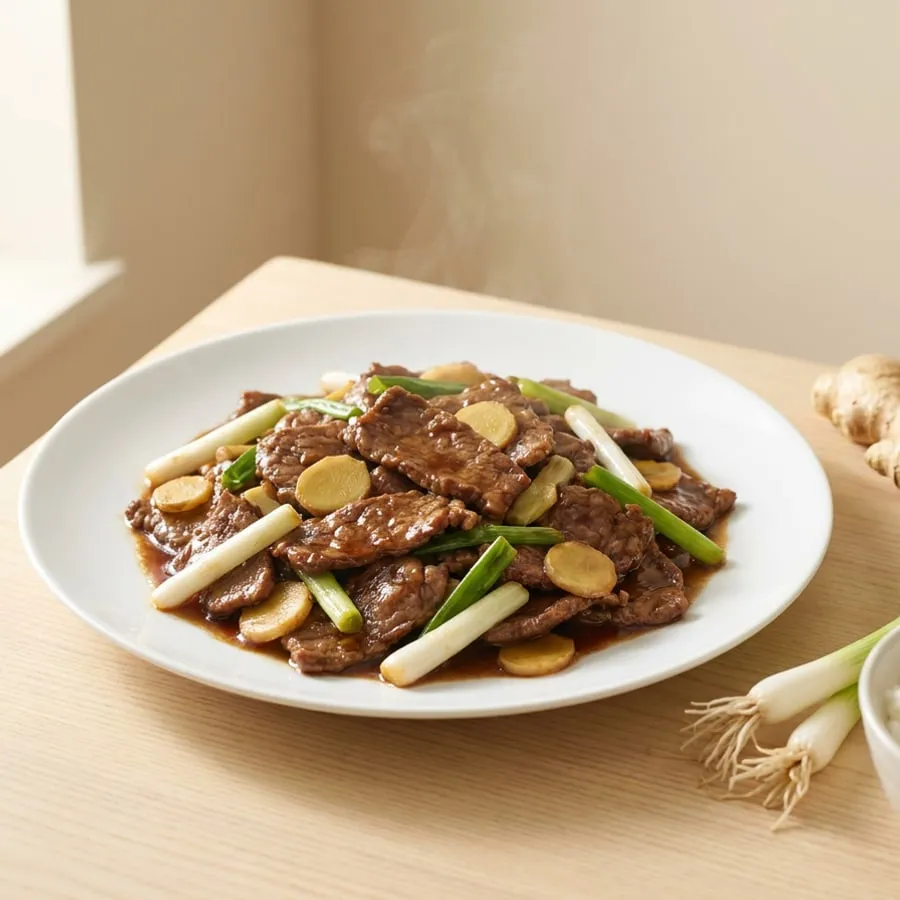
Same technique
Lo Fo Tong is cultural food-heritage reference, not medical advice. If you are pregnant, unwell or on medication, talk to your doctor or registered practitioner before changing what is in the pot.