All home cooking › Stir-fried
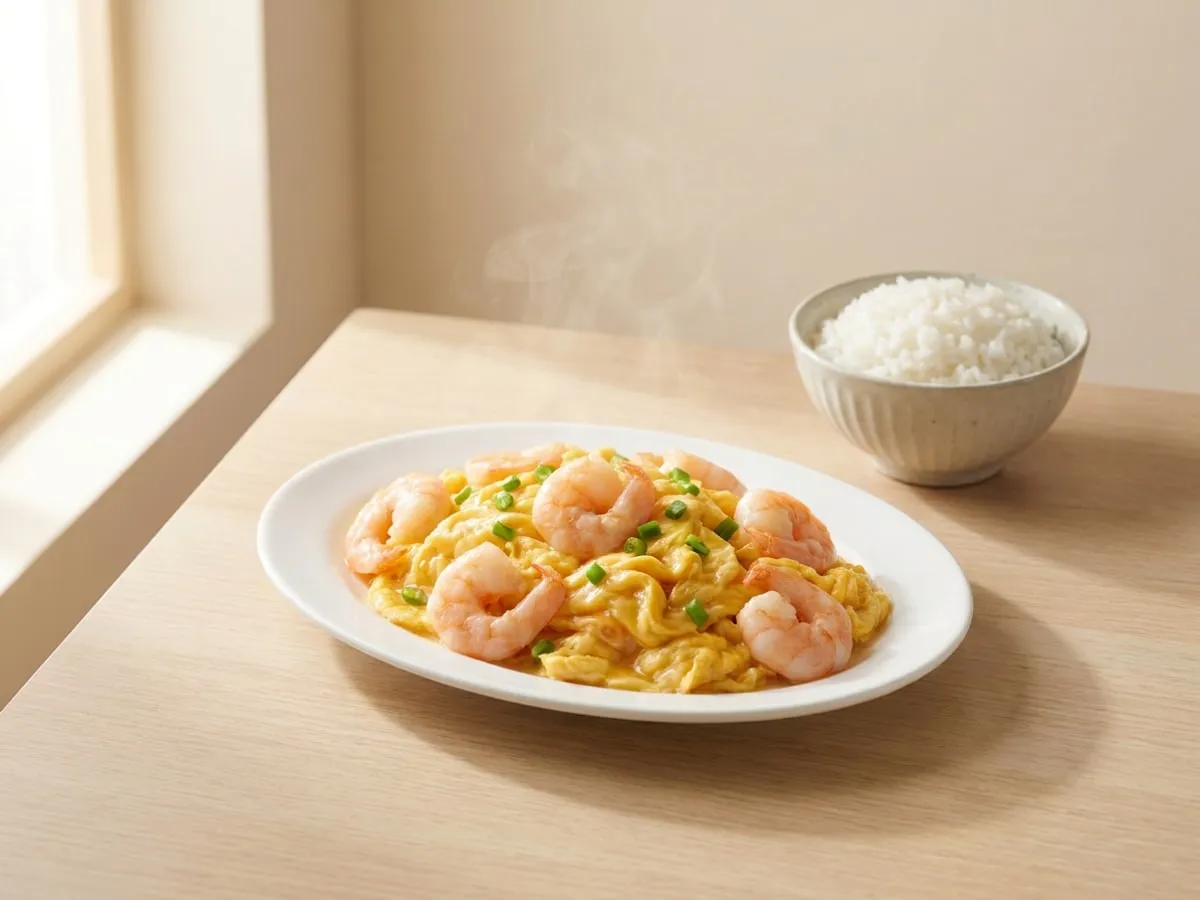
Prawns in soft egg
滑蛋蝦仁
“High heat, a quick toss. Eat it while it is hot.”
Ingredientsserves 4
Method
- Rinse the peeled prawns, pat completely dry with kitchen paper and marinate ten minutes with a quarter teaspoon of salt, a teaspoon of cornflour and a pinch of white pepper; the cornflour stops them weeping into the egg.
- Beat the eggs gently with half a teaspoon of salt, the sugar and the cornflour water (a teaspoon of cornflour in two tablespoons of water); do not whip them to a foam.
- Heat the wok with two tablespoons of oil, stir-fry the prawns forty to sixty seconds until pink, curled and just cooked through, lift out, cool a minute, then stir them into the egg.
- Wipe the wok, heat it well, add the remaining two tablespoons of oil and swirl so the whole surface is coated; the oil should be hot but not smoking.
- Turn the heat to its lowest (or off, under a heavy wok), pour in the prawns and egg, wait ten seconds, then push from the edge to the centre in slow folds so soft curds form.
- At eight parts done, still glossy and only just holding together, slide it onto the plate; it finishes in its own heat. Scatter the spring onion and serve at once.
Take care
- Contains egg and crustacean (prawn). The egg is served soft by design; the prawns are cooked through in step three before they go into the egg. Cook the egg firm for young children, the elderly and in pregnancy.
The story
The soft-egg technique belongs to the restaurant and the cha chaan teng (滑蛋蝦仁炒河 is on the menu), and home cooks copy it because it needs nothing but eggs, a few prawns and nerve at the stove. Every Hong Kong cook has a rule for it and the rules contradict each other: cornflour water, extra oil, heat off, heat low. It is what a Hong Kong mother makes when a child will not eat anything else.
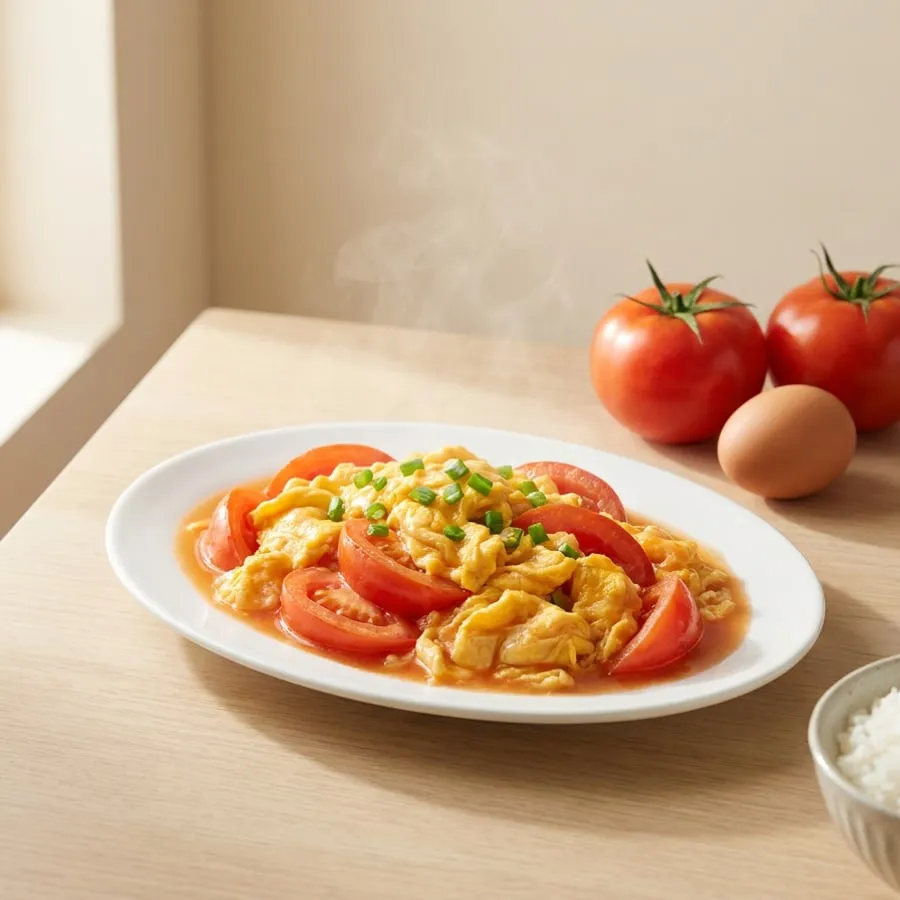
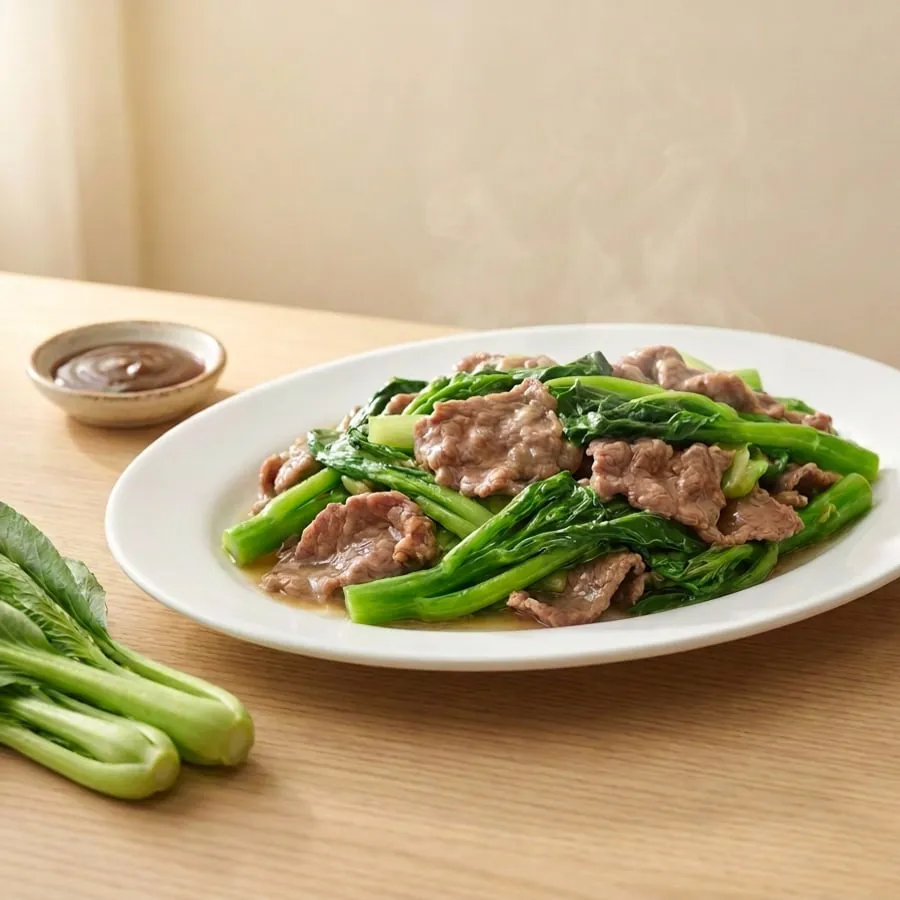
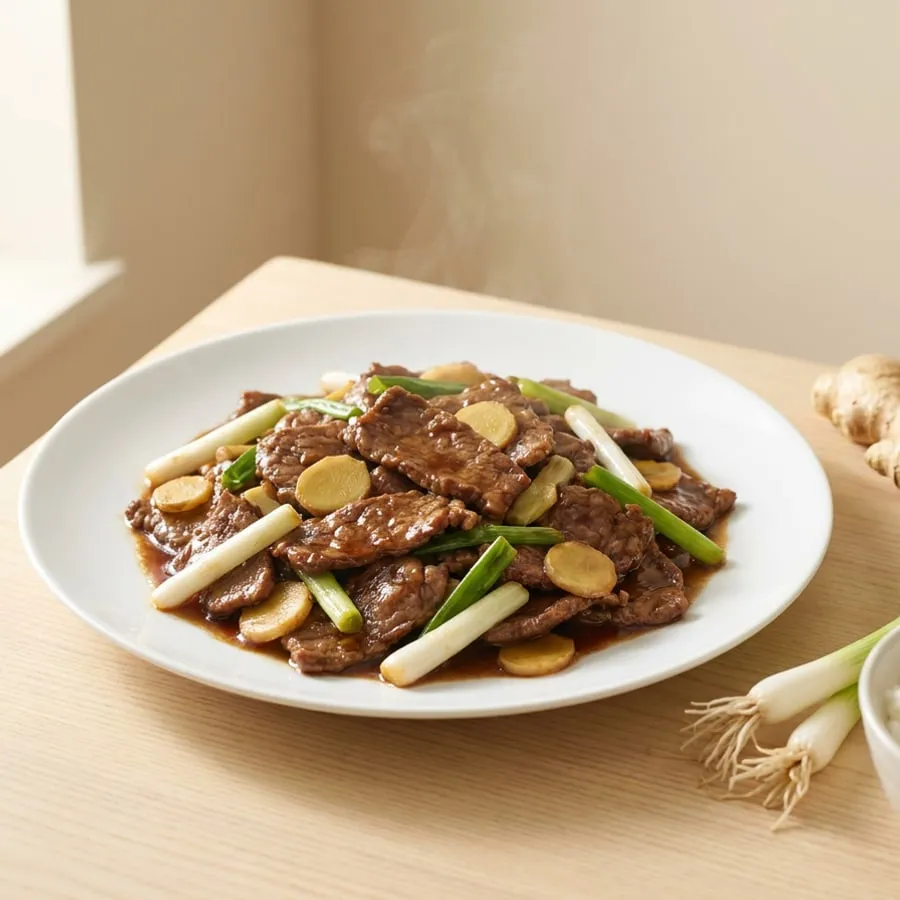
Same technique
Lo Fo Tong is cultural food-heritage reference, not medical advice. If you are pregnant, unwell or on medication, talk to your doctor or registered practitioner before changing what is in the pot.