All hotpot › The sauce table
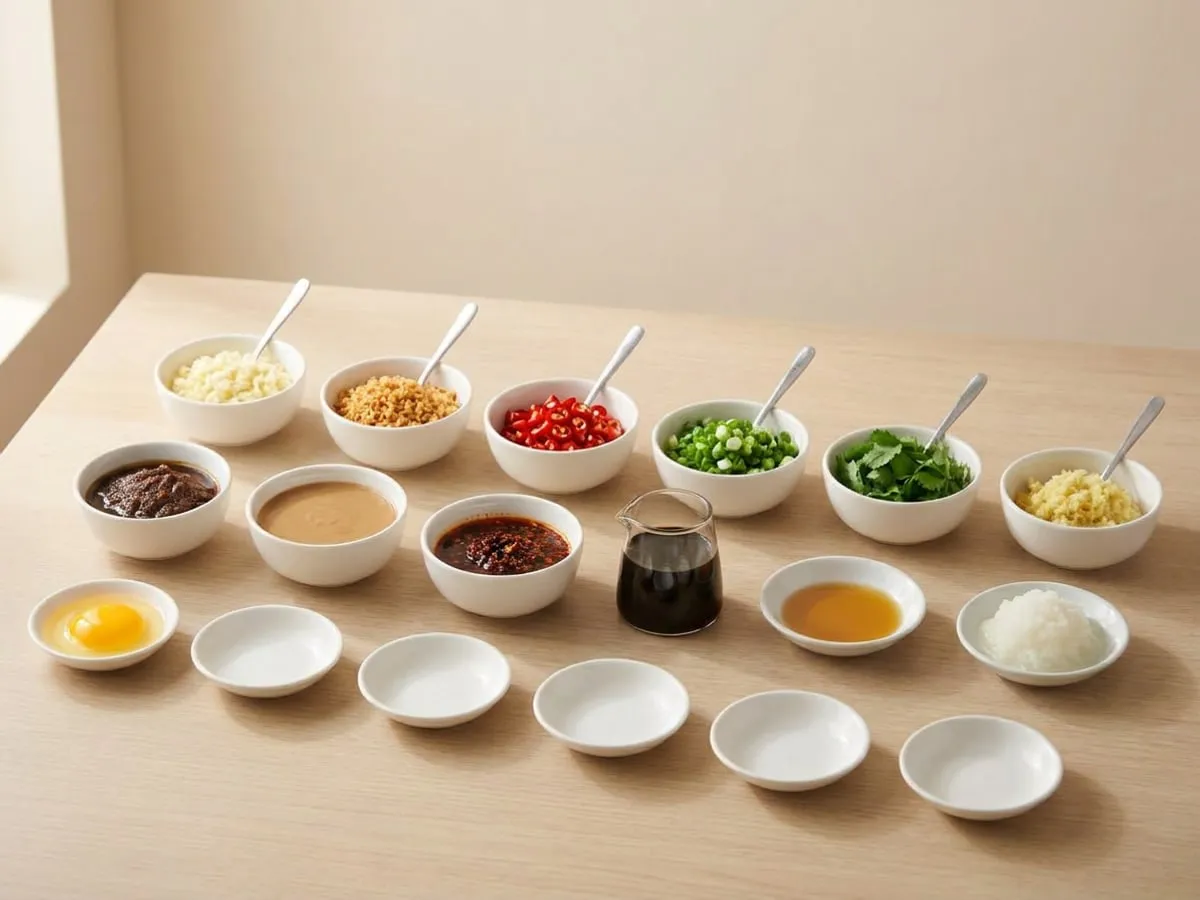
The sauce table
醬料台
“Mix your own saucer. It is only right when it suits you.”
Equipment
- A big tray, or a small side table beside the pot, for all the sauces
- A small bowl and its own spoon for every sauce; the spoons never swap
- A saucer for everyone, and a few spare to change to
- Two sets of chopsticks, raw and eating; the raw pair never touches the sauces
How it goes
- The sauce table is a tray of things for everyone to mix their own saucer from, not a sauce. For six to twelve people one tray is enough, set beside the pot where everyone can reach it and it is not crowded by the raw plates. Start half an hour before the pot goes on.
- The fresh things first. Wash the spring onion, coriander and bird's-eye chilli under running water and pat them dry; chop the spring onion, chop the coriander and slice the chilli into rings, each in its own bowl. Coriander and chilli always get separate bowls, because someone will not eat them. Peel and chop the garlic, one head for every six people. On a seafood night, grate a piece of ginger too.
- Fried garlic: chop a head of garlic, rinse it in clean water and drain it, put it in a cold pan with four tablespoons of oil, and stir it over medium-low heat until pale gold, about five minutes. Take it off the heat a shade early, because it keeps colouring; burnt garlic is bitter. Strain the garlic and keep the oil, and put both on the table.
- Then the bottles and jars: light soy, sesame oil, oyster sauce, sha cha and chilli oil. Thin a bowl of sesame paste ahead (see Hong Kong sesame sauce), and put three or four cubes of fermented bean curd on a dish. Six people get through about half a jar of sha cha and a third of a bottle of soy; for twelve, double it.
- Lay it out from light to rich: light soy and sesame oil first, then raw garlic, fried garlic, spring onion, coriander, chilli and ginger, then sha cha, sesame sauce, fermented bean curd and chilli oil. A spoon in every bowl, back in its own bowl after use, and the spoons never swap.
- The egg: if someone wants sha cha with egg, make a fully cooked yolk first, boiling the egg ten minutes until the yolk is set right through. Hong Kong's Centre for Food Safety advises everyone against raw-egg dips; an adult who still wants a raw yolk uses only an egg pasteurised in the shell, taken from the fridge when it is wanted and cracked straight into that person's own saucer. Never for pregnant women, children under five, older people or anyone with a weakened immune system.
- The rules: one saucer each; chopsticks that have held raw meat or seafood never touch a saucer or go into a sauce bowl; the sauce stays in the saucer and never goes into the pot, or by the end the broth is too salty to drink. If anyone is allergic to peanut, sesame or seafood, that sauce sits apart with its own spoon, and they say so before the pot goes on.
- Clearing up: lids on the bottles and jars and back in the fridge that night; every opened sauce lives in the fridge. Chopped garlic, spring onion, coriander, chilli, ginger, the garlic oil and everything left in the saucers is thrown away, never kept overnight. The drained fried garlic can go into a clean jar in the fridge and be used within a week.
- Which saucer for which broth: clear chicken, fish maw and chicken, and fish broth take garlic soy, ginger soy or chilli soy, light sauces that do not drown the broth. The satay pot is rich already, so a garlic soy or chilli soy is enough. Century egg and coriander, and peppery pork bone, take sha cha and soy and garlic soy. Peppery pork tripe and chicken, and coconut chicken, take chilli soy or sha cha and soy; the congee pot takes chilli soy and ginger soy.
- The mala pot takes the Sichuan oil dip and Hong Kong sesame sauce. Winter melon and tomato-and-potato take grated daikon with ponzu or garlic soy, and the children a saucer of plain light soy. With lamb, mix the northern sesame and peanut sauce or sha cha with sesame paste and bean curd. Shaved beef, whatever the broth, goes into sha cha and soy, and anyone who wants egg has sha cha with a fully cooked yolk.
Take care
- Nearly every common allergen is on this tray: soy, wheat (gluten), sesame, fish, shrimp (a crustacean), oyster (a mollusc) and egg, with peanut in the two-eight sauce and in some sha cha. Anyone with an allergy gets that sauce set apart with its own spoon, and says so before the pot goes on. Sesame paste is on the list of foods to avoid in pregnancy.
- Hong Kong's Centre for Food Safety advises everyone against dipping food in raw egg: make the sha cha egg saucer with a fully cooked yolk, and a raw yolk only from an egg pasteurised in the shell, never for pregnant women, children under five, older people or anyone with a weakened immune system. Wash fresh herbs and chilli under running water; raw garlic, herbs and every saucer are finished that night and the rest thrown away, never kept overnight; opened jars go back in the fridge, with only a clean, dry spoon ever going into them. A sauce does not make undercooked food safe.
The story
At a Hong Kong hotpot everyone mixes their own sauce: a tray of soy, garlic, spring onion, chilli and a few jars in the middle, a saucer for each person, and each saucer to its owner's taste. The sauce table is that tray laid out at home, so that everyone gets the saucer they like.
Same kind
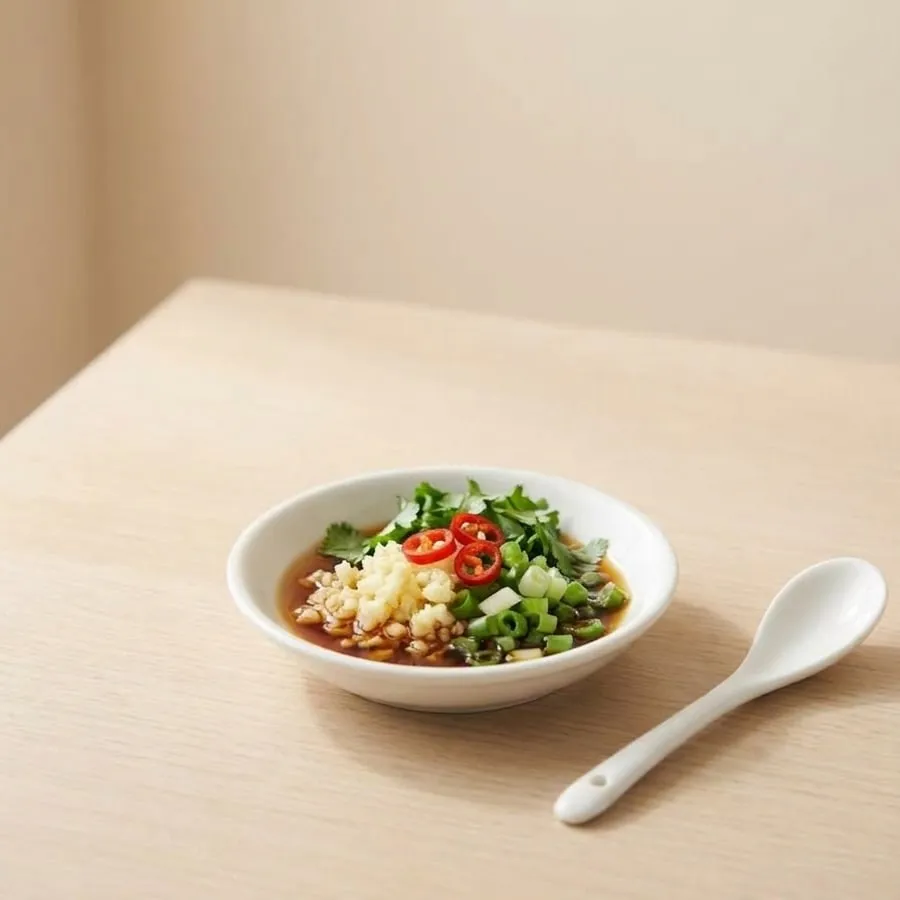
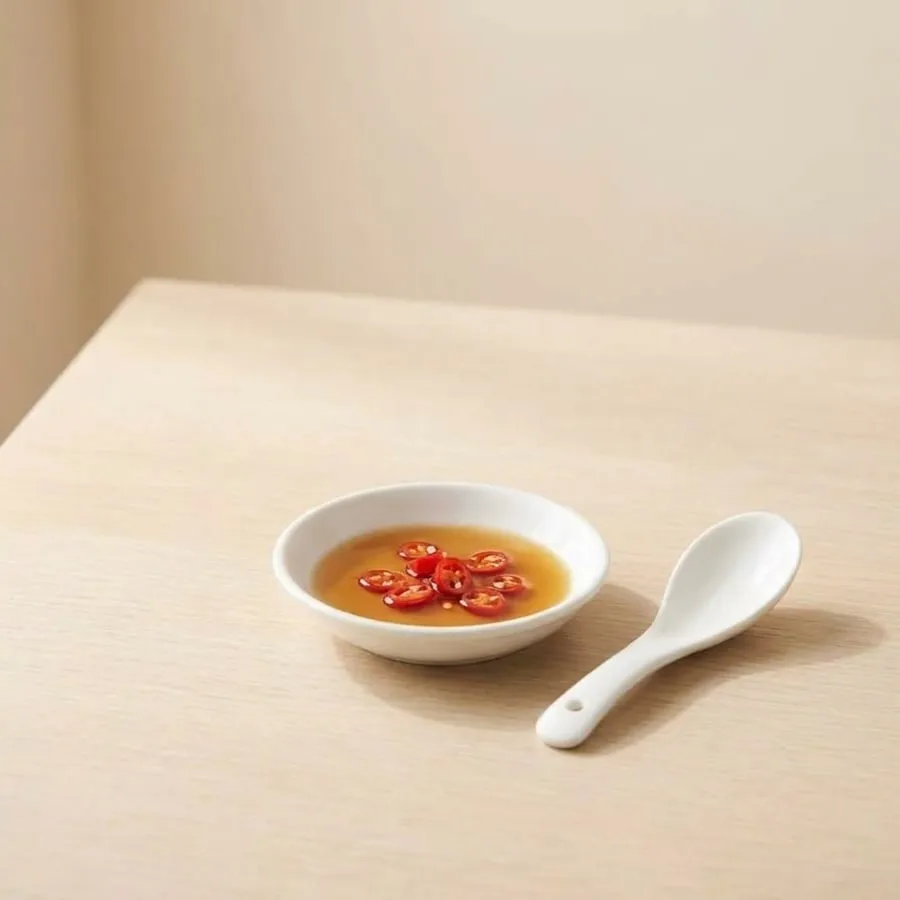
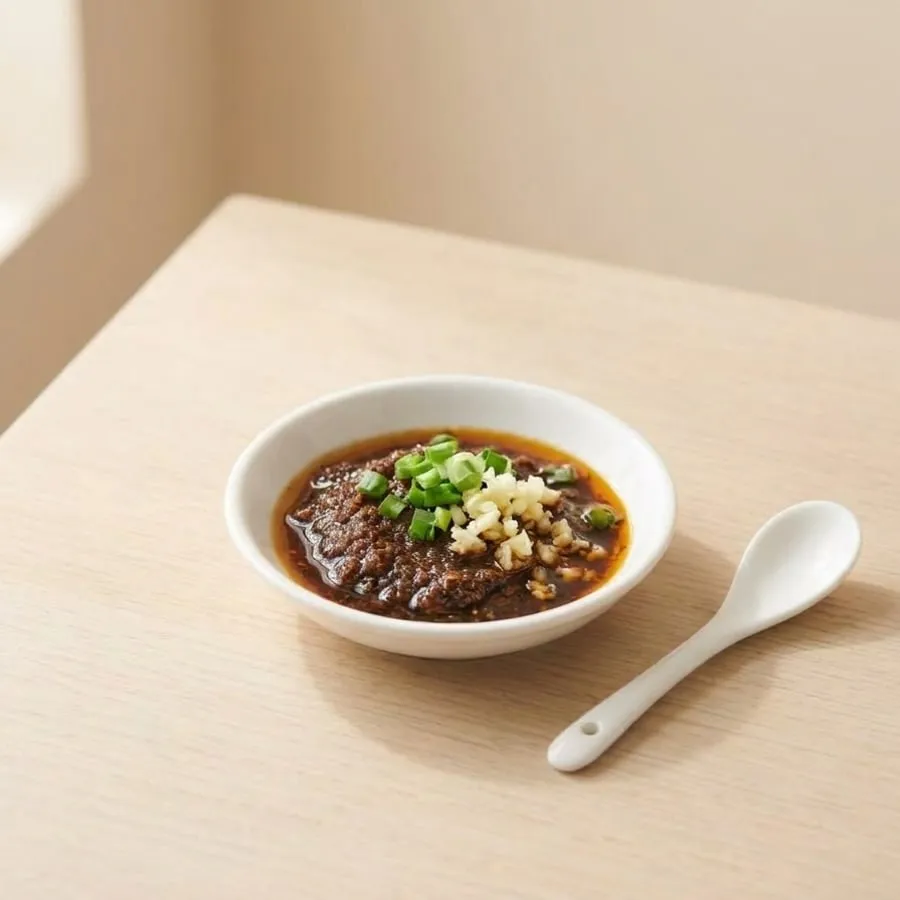
Lo Fo Tong is cultural food-heritage reference, not medical advice. If you are pregnant, unwell or on medication, talk to your doctor or registered practitioner before changing what is in the pot.