All home cooking › Blanched
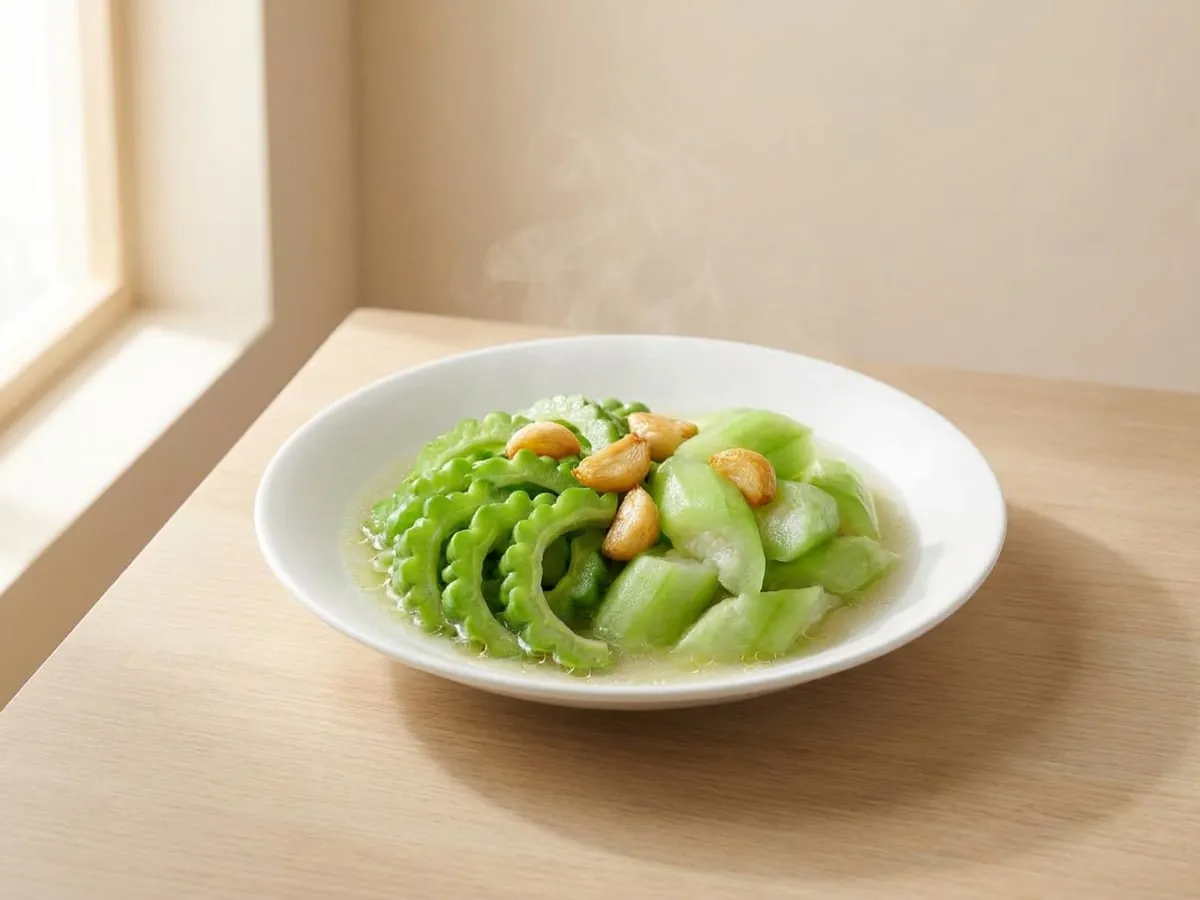
Bitter melon and angled loofah in oil and salt
油鹽雙瓜
“Blanched, a pour of soy. Clean and simple.”
Ask Ah Ma
Ingredientsserves 4
Method
- Halve the bitter melon and scrape out every bit of the seeds and white pith with a spoon, since that is where most of the bitterness sits, then slice it on the slant about 5 mm thick. If your family dislikes bitterness, blanch the slices for one to two minutes in boiling water with a little oil, salt and sugar first, and plunge them into cold water.
- Peel the ridges and the tough skin off the loofah, leaving a thin layer of green, and roll-cut it into wedges. Cut loofah darkens quickly, so do this just before it goes into the wok.
- If using garlic, fry the whole cloves golden in the oil over low heat.
- Pour in the stock and a cup of water (if you skipped the garlic, add the oil now) and bring to the boil; the oil gives the gourds a gloss and keeps the loofah green. Add the bitter melon, then the loofah a minute later.
- When it is back on the boil, cover, turn off the heat and leave for five to ten minutes, until the loofah is soft right through and translucent at the edges and the bitter melon still has a little bite. Salt it now, after tasting, not earlier: early salt draws water out of the loofah and turns it dark.
- Lift both gourds out with a slotted spoon and arrange them side by side on a deep plate, with the garlic on top. Bring the liquid back to the boil, add a few drops of sesame oil, pour it over the gourds and serve at once.
Take care
- Sesame oil contains sesame. Carton chicken stock often contains soy and wheat, and may contain celery, so read the label.
The story
The oil and salt are the cooking liquid, the oiled and salted water Cantonese cooks blanch greens in, here partly stock; this is not a stir-fry. One gourd is bitter and keeps its bite, the other is sweet and soft, and steeped together in one pot each keeps its own texture. Angled loofah's Chinese name sounds like the word for losing, so Hong Kong markets call it the winning gourd instead.
Same technique
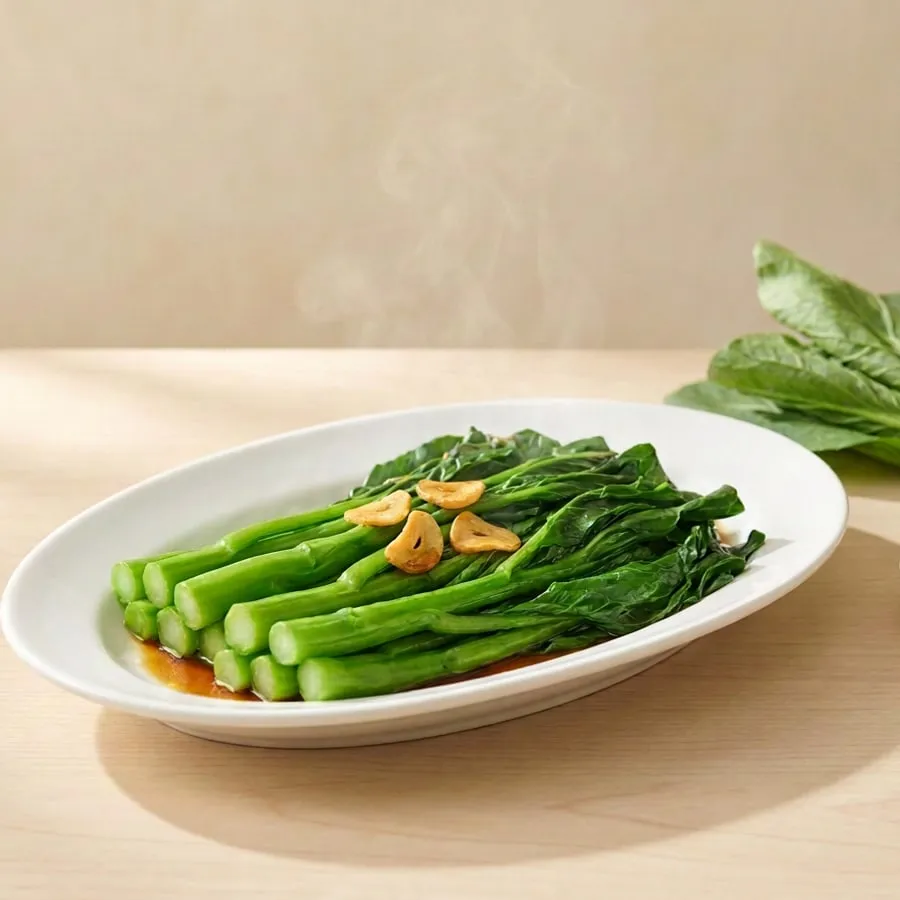
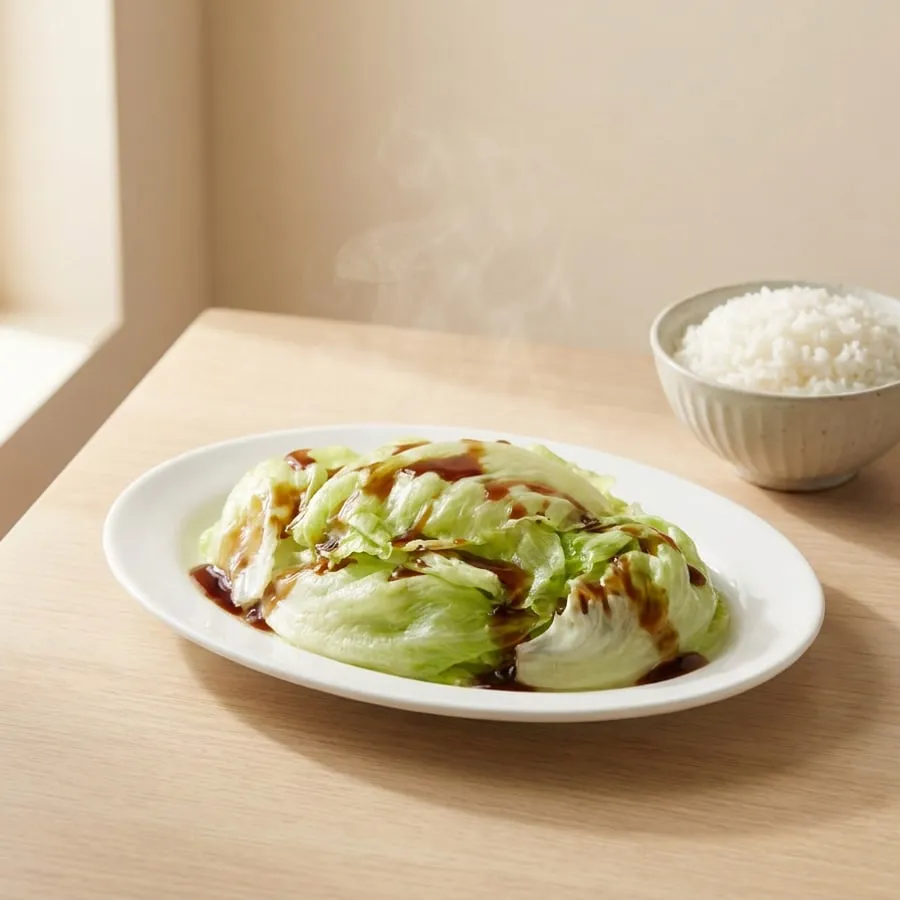
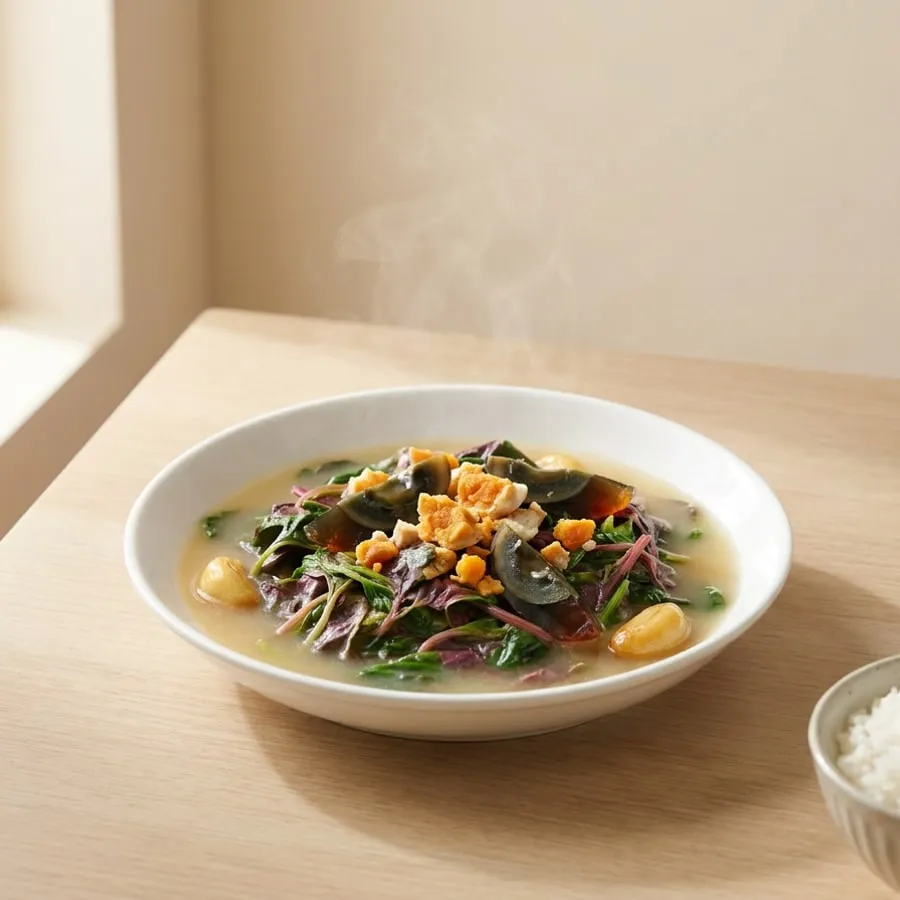
Lo Fo Tong is cultural food-heritage reference, not medical advice. If you are pregnant, unwell or on medication, talk to your doctor or registered practitioner before changing what is in the pot.