All home cooking › Pan-fried
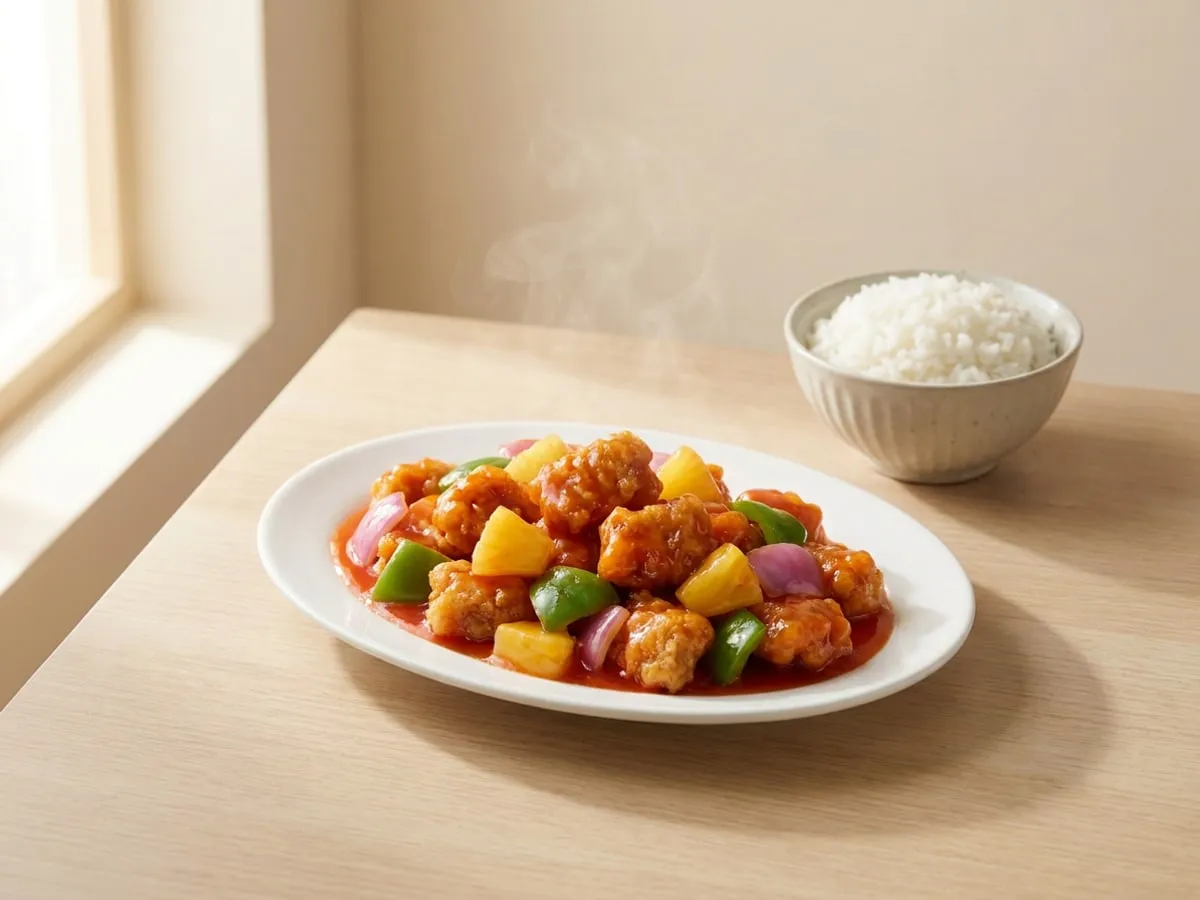
Sweet and sour pork
“Fried golden. The children’s favourite.”
Ingredientsserves 4
Method
- Cut the pork into 3 cm cubes and marinate with the salt, a teaspoon of sugar, the soy, a pinch of white pepper, the wine and the egg for thirty minutes.
- Stir the ketchup, vinegar, two tablespoons of sugar, three tablespoons of water, a pinch of salt and a teaspoon of cornflour together for the sauce.
- Roll the cubes in cornflour one at a time, press the coating on and shake off the loose; every piece should be dry and thickly coated.
- Put the oil in a wok or deep pan, no more than a third of the way up, and heat to about 170°C, when a wooden chopstick fizzes with small bubbles. Fry the pork in two batches for four to five minutes until pale gold and cooked through, and drain.
- Raise the heat and fry all the pork a second time for a minute until crisp and deep gold; the second fry pushes the oil out. Drain on a rack.
- Pour off all but a tablespoon of oil. Over high heat stir-fry the onion and capsicums for a minute, pour in the sauce and let it bubble and thicken.
- Return the pork and toss quickly to coat, then take the pan off the heat before folding in the pineapple; the HK01 chef's rule is that fresh pineapple turns sour if cooked, so it goes in with the flame off. Serve at once.
Take care
- Contains egg and soy; wheat if the coating is a wheaten cornflour. The pork must be cooked through, which the first fry does; the second fry is only for crispness. Deep-frying at home: fill the pan no more than a third, dry everything that goes in, keep a lid beside the stove, keep the oil at 170 to 180°C and no hotter, and never move a pan of hot oil.
The story
Sweet and sour pork began as 古老肉 in Qing-dynasty Guangzhou, where foreign traders loved sweet and sour ribs but not the bones, so cooks fried boneless pork and glazed it in the same sauce. The name is explained several ways, as the foreigners' mispronunciation, as the gulp of swallowing at the smell, or as the sound of chewing, and 明周 collects the stories. It travelled with Cantonese emigrants to become the best-known Chinese dish in the West, and in Hong Kong homes it is the birthday and guest dish the children ask for.
Same technique
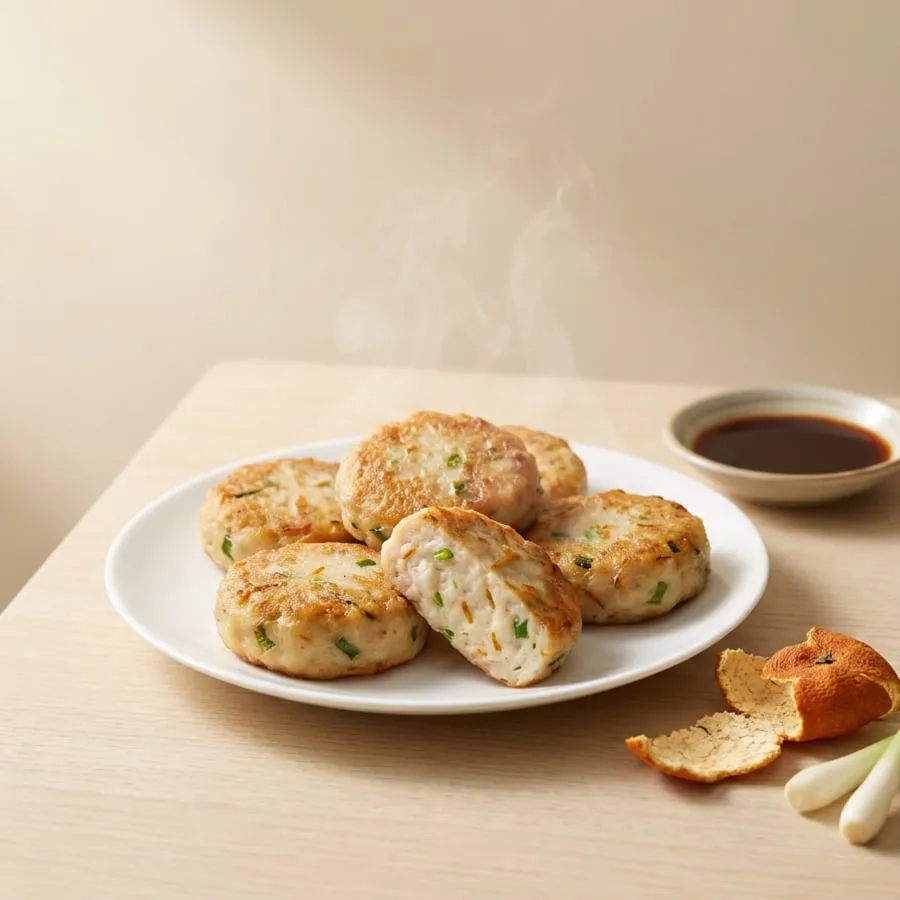
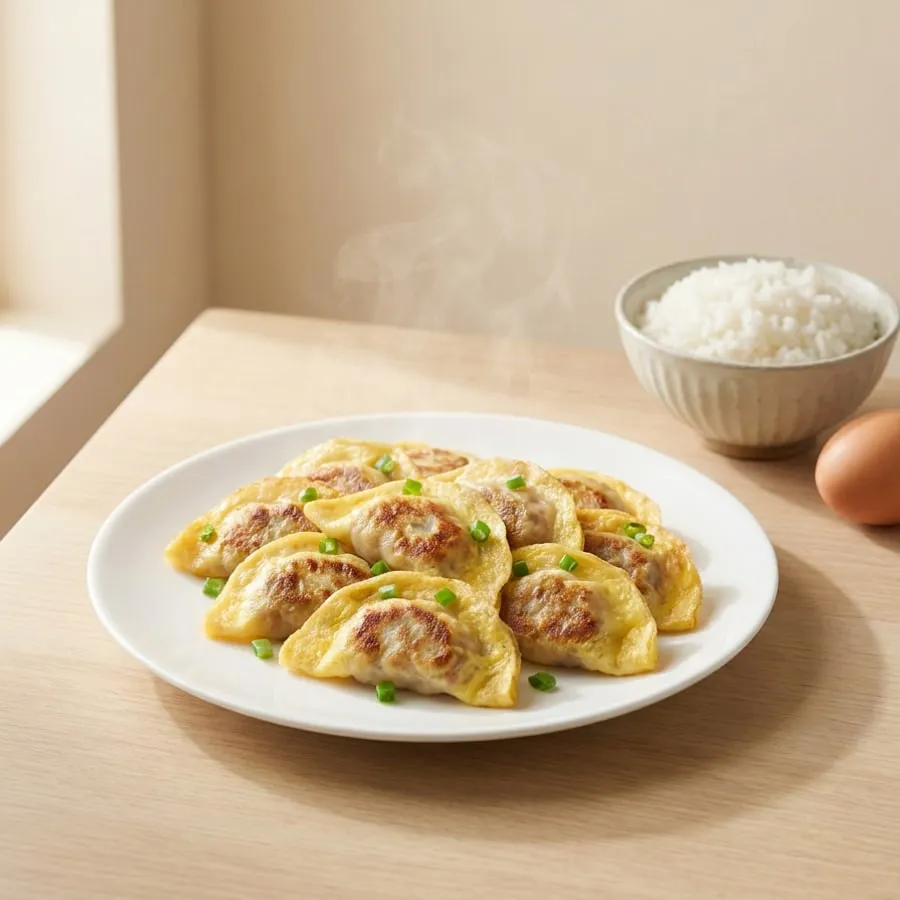
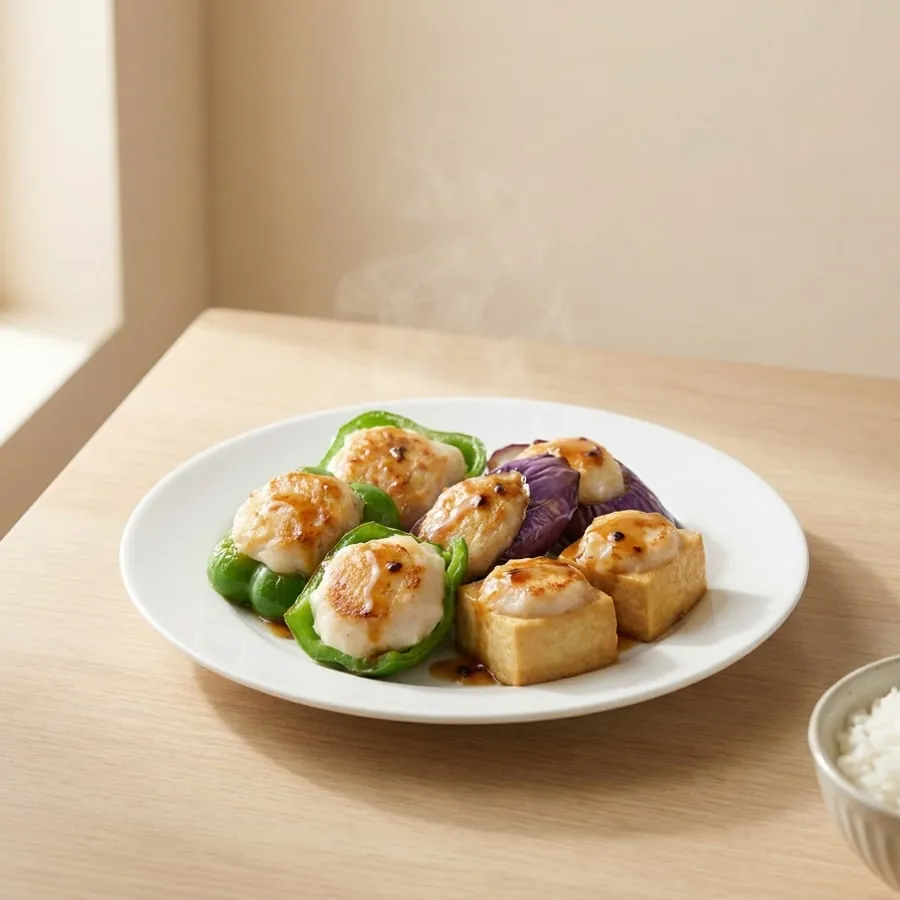
Lo Fo Tong is cultural food-heritage reference, not medical advice. If you are pregnant, unwell or on medication, talk to your doctor or registered practitioner before changing what is in the pot.