All hotpot › The soup bases
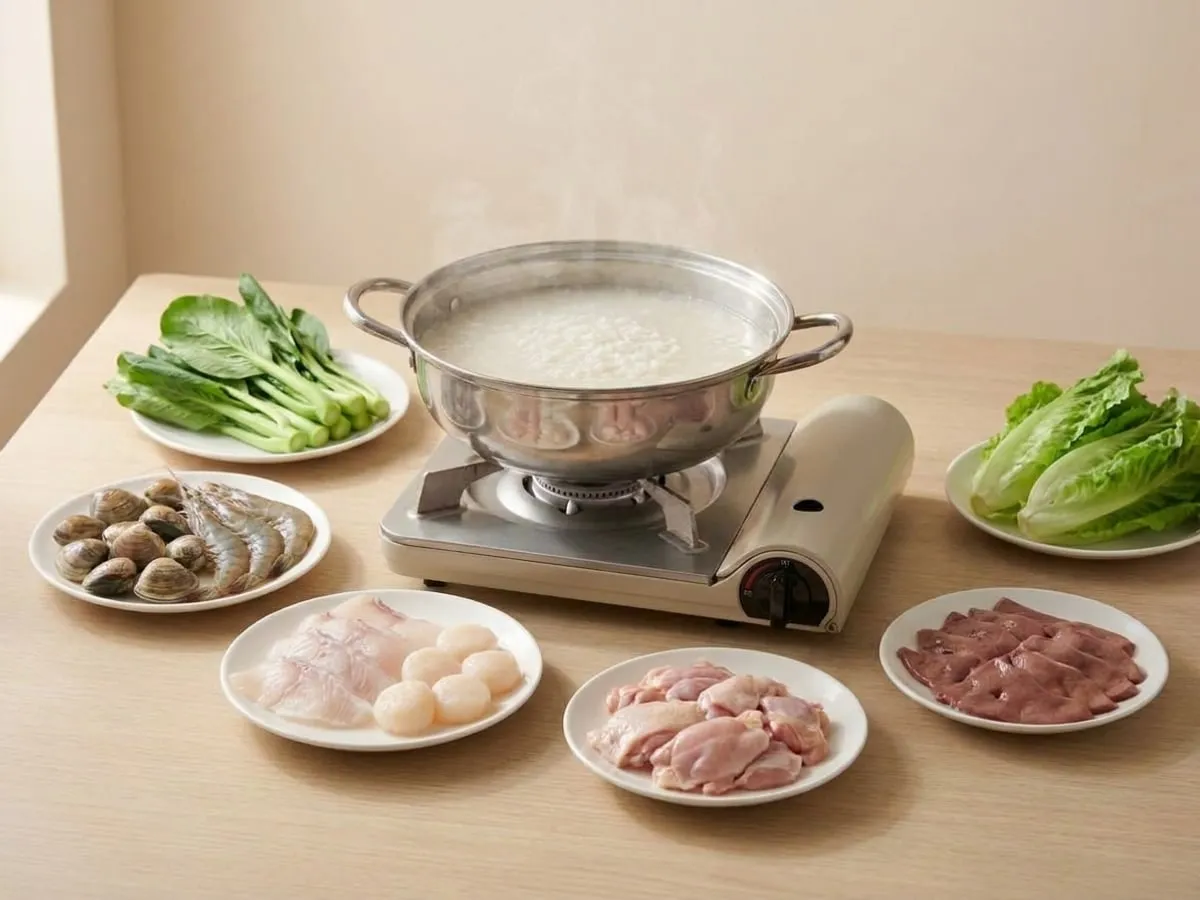
Congee-base hotpot
粥底火鍋
“When everything has been eaten, the congee left at the end is the best part.”
Ingredientsserves 6
Equipment
- A big heavy-based pot, about 7 litres, for the congee water
- A fine sieve to strain off the rice
- A heavy-based pot at the table, and the flame never on full, so the base does not catch
- More congee water or boiling water kept hot on the stove for topping up
How the time splits
- 30 minWash the rice, toss it with oil and salt, leave it half an hourhands off
- 5 minBring the big pot to the boil, put in the rice and beancurdhands on
- 1 hr 30 minBoil until the grains burst, stirring now and thenhands off
- 10 minStrain off the rice and keep the congee waterhands on
Method
- Wash the rice two or three times, drain it, and toss it with the oil and a teaspoon of salt. Leave it for half an hour; the grains burst sooner and the congee water turns silky faster.
- Bring 5 litres of water to the boil in the big heavy pot and add the rice, the broken beancurd sticks and the ginger. Boil hard for ten minutes, stirring once or twice so the rice does not stick. The beancurd keeps it from boiling over.
- Turn it to medium, set the lid half on, and boil for about an hour and a half, stirring right to the bottom with a long spoon every quarter of an hour or so, until the grains have burst and broken and the water is milky white and slightly thick.
- Strain off the rice through a fine sieve and put it in the fridge for the end of the night. The congee water left behind should be as thin as milk; if it is thicker, let it down with boiling water. A thick base will always catch and burn on the table stove.
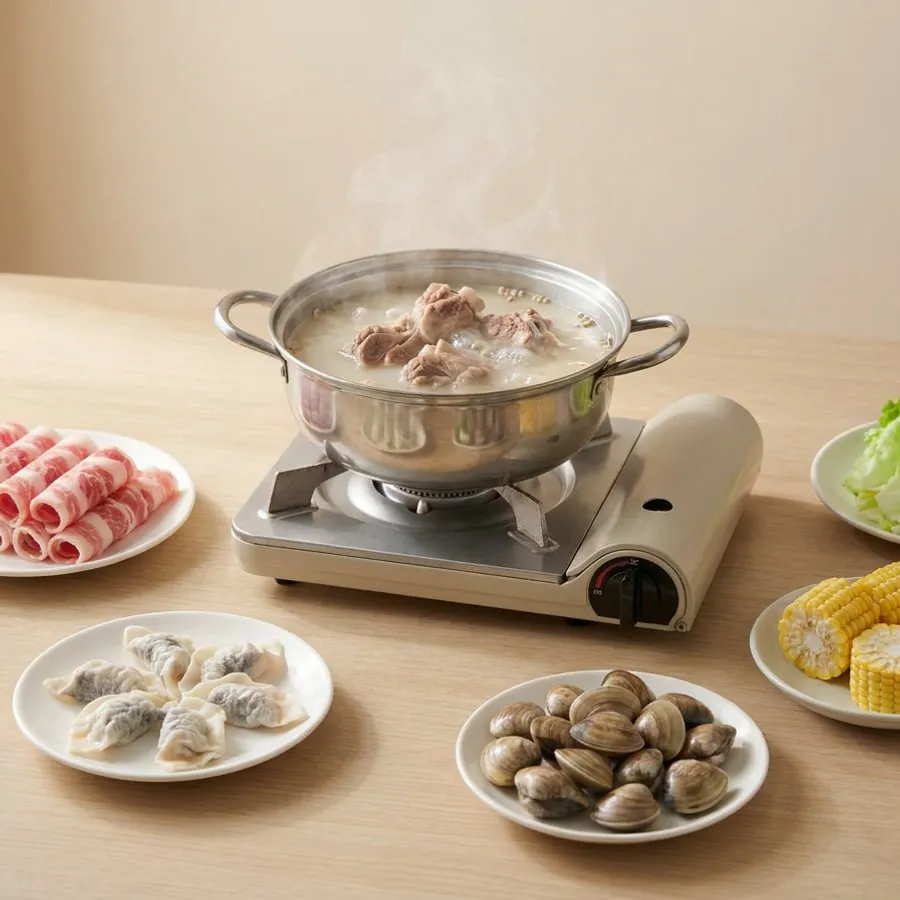
- Pour the congee water into the hotpot until it is about half full, and keep the rest hot on the stove for topping up. It needs no salt; the food that goes in gives it its flavour.
- There is an order: seafood first (clams, prawns, fish), then the chicken and pork, and the greens last. With the seafood in first the base takes up its sweetness and everything after tastes better for it. Push the ladle across the bottom of the pot now and then, and add boiling water whenever it thickens.
- To finish, when most of the food is gone, tip the reserved rice back into the pot and boil it hard for three to five minutes. Raw food has been cooking in this pot for two hours, so it must come to a full boil before anyone eats it. Season with a little salt and white pepper, scatter over the spring onion and coriander, and there is a pot of seafood congee, a bowl for everyone.
- Get any leftover congee into the fridge within two hours, and bring it right back to the boil when you reheat it.
The short route
- Use the rice cooker's congee setting with less rice and more water than usual, then thin it with boiling water until it is like milk.
- Boil leftover rice that has been in the fridge overnight with plenty of water for half an hour, until the grains break, then strain off the grains: that is congee water too.
What goes in this pot
- Clams: in first; done when they open, and any that stay shut are thrown away
- Prawns: eat them when red and curled
- Fish slices: done when white, about a minute
- Scallops: out as soon as they turn white, or they toughen
- Chicken pieces: five minutes or more; cut one open and eat only when no pink remains
- Pork liver: thinly sliced, at least three to five minutes at a full boil, until there is no pink in the middle
- Choy sum and lettuce: last
The sauce plate
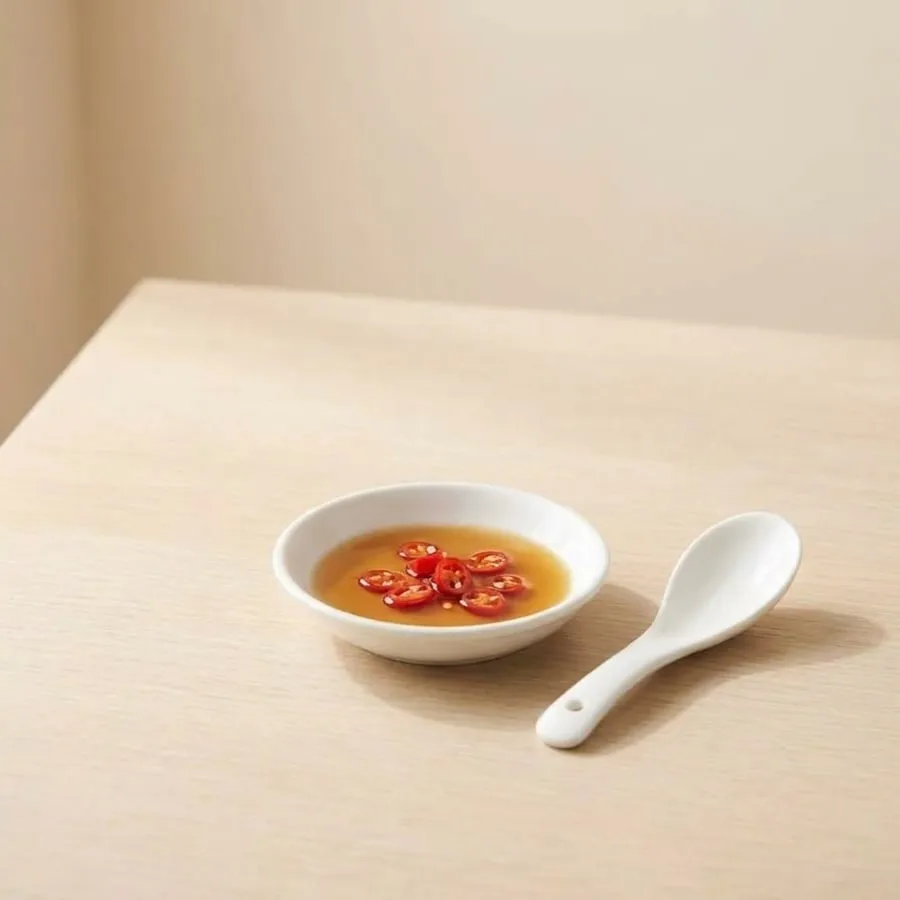
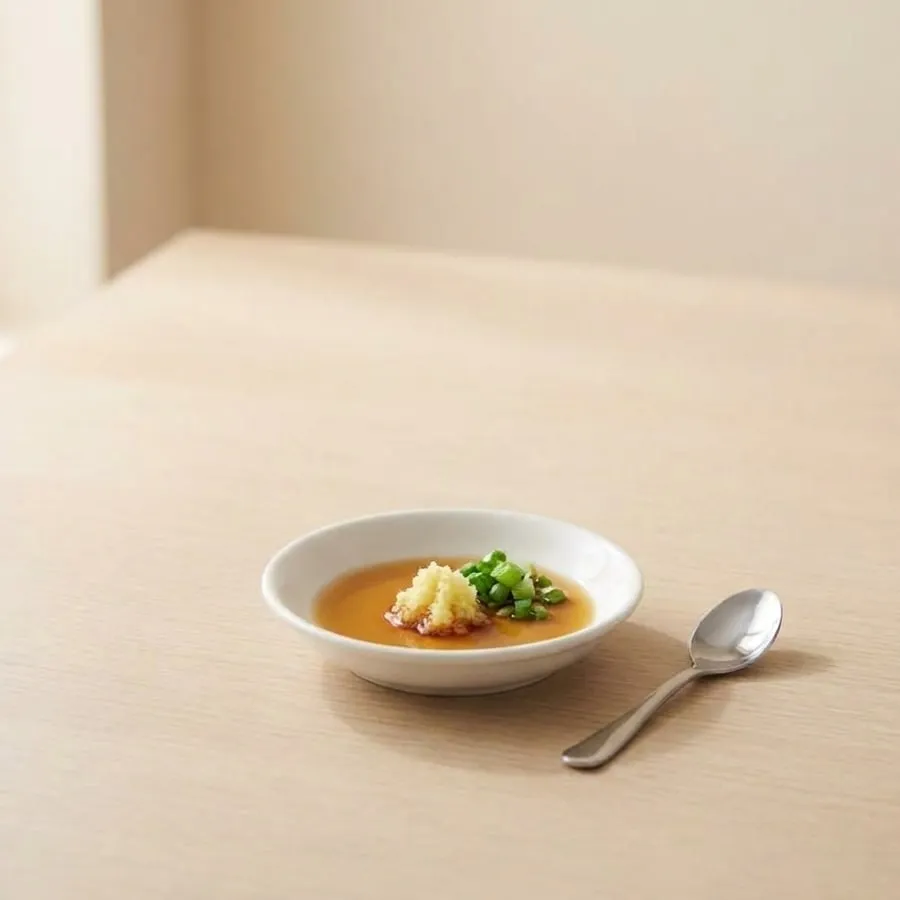
Safe at the table
- Indoors, an induction plate or an electric hotpot is the safe choice. Australia’s gas safety regulators say butane cartridge stoves are for outdoor use only, because of the risk of carbon monoxide. If you do use one indoors, as Hong Kong homes do, keep it well ventilated, and never in a small or closed-up room.
- With a portable gas stove, never use a pot wider than the pot stand, about 20 cm at most unless the maker’s instructions allow more, and never one that reaches over the canister compartment. Never put two stoves side by side, and never leave one burning.
- Fit and remove the canister away from any flame or heat, with its notch facing up. Check for leaks with soapy water first, and do not use a stove that leaks or is damaged. Never put the stove on another cooker (an induction plate especially) or on anything hot, and put nothing between stove and pot that the maker did not supply: no foil, no extra stand.
- Buy a stove certified for Australia, set it on a level surface that will not burn, never on glass, and do not run it longer than the maker’s instructions allow. Keep sprays, lighters and paper well away. When you finish, turn it off, take the canister out and store it somewhere cool, dry and ventilated, never in a car or in the sun.
- Keep raw and cooked apart: use a separate pair of chopsticks or a slotted spoon for raw meat and seafood, and never eat from them.
- After topping the pot up, wait for it to come back to a full boil before anything goes in.
- Chicken, pork, liver and seafood must be cooked through before eating. Sliced pig’s liver needs at least three to five minutes at a full boil; Hong Kong’s Centre for Food Safety advises at least five minutes for seafood; clams boil until they open and then three to five minutes more, and any that stay shut are thrown away. Enoki boils at least two minutes and is never eaten raw.
- For pregnant women, children under five, older people and anyone with a weakened immune system: beef until no pink remains, and seafood for the full five minutes.
- Raw meat plates stay out no longer than two hours. Leftovers go into the fridge within two hours, keep no more than three days, and are reheated only once, until boiling hot.
Take care
- The base itself is only rice and beancurd sticks (soy); the clams, prawns and scallops that go in are molluscs and crustaceans, and the fish slices are fish; the soy in the saucers contains soy and wheat (gluten).
- Buy clams live and throw away any that stay shut once cooked; cook seafood, chicken and liver right through. The congee at the end has had raw food in it for two hours, so boil it hard for three to five minutes after the rice goes back in. The reserved rice and any leftover congee go into the fridge within two hours, and leftovers are brought right back to the boil.
- Congee water catches and burns, and it spits when it boils, so someone keeps an eye on the pot and children sit back from it.
The story
The congee base is a Shunde way of doing things, and Hong Kong people often choose it for a seafood hotpot: the rice is boiled until it bursts, the grains are strained off, and the thin congee water cooks the seafood. In Shunde the meal ends with a bowl of the broth; at home you can stir the rice back in to finish with a pot of seafood congee.
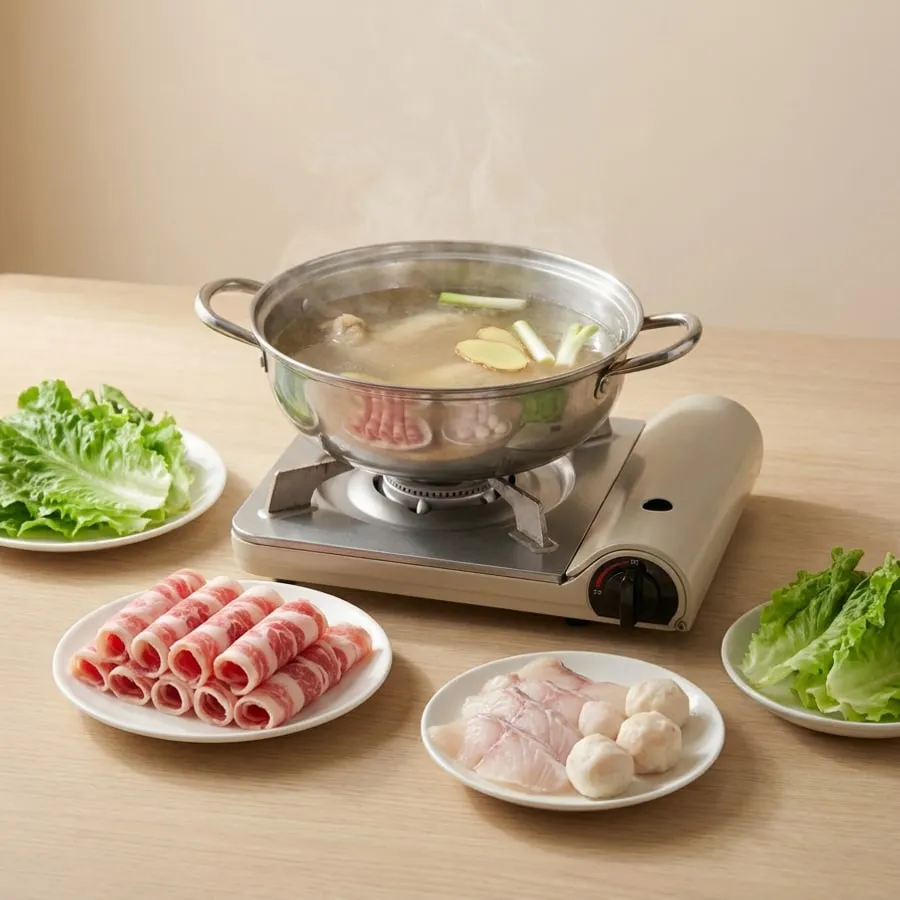
Same kind
Lo Fo Tong is cultural food-heritage reference, not medical advice. If you are pregnant, unwell or on medication, talk to your doctor or registered practitioner before changing what is in the pot.