All hotpot › The soup bases
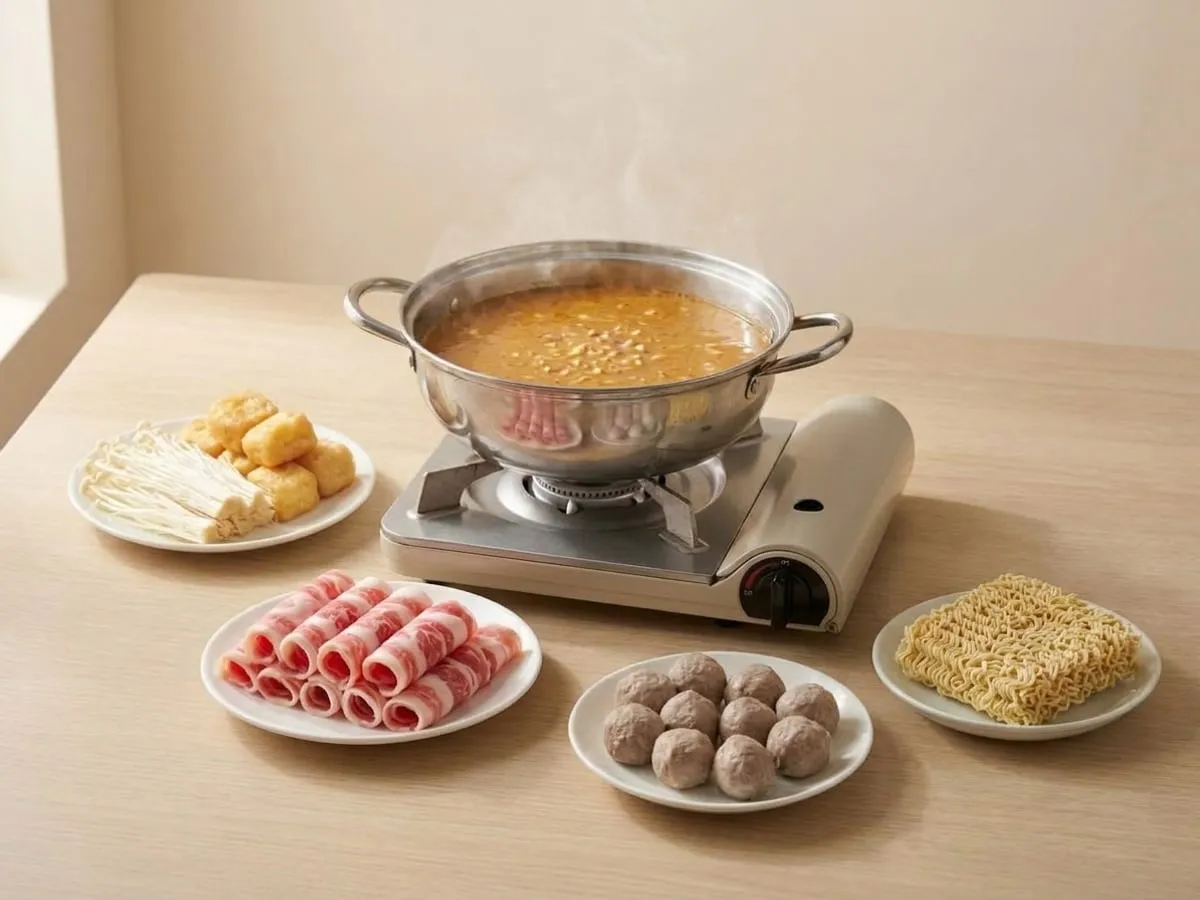
Hong Kong satay broth
沙嗲湯底
“Satay has to be stirred all the time, or it will stick to the bottom.”
Ingredientsserves 6
Equipment
- A heavy wok or heavy-based pot to fry the paste: a thin pan scorches it
- At the table, ideally a divided pot: satay one side, century egg and coriander the other
- A wooden spatula or flat ladle to scrape the bottom as you go
- A jug of plain stock or boiling water by the burner for when it thickens
Split pot
Hong Kong satay broth on one side, Century egg and coriander broth on the other.
Method
- Finely chop the garlic, shallots and onion. Stir the satay sauce jar before you spoon from it: the oil on top and the paste at the bottom both go in.
- Heat the oil in a heavy wok over low heat and soften the onion and shallot, then add the garlic and fry until just golden, never brown.
- Add the satay sauce, the peanut butter and the curry paste and keep stirring over low heat for two or three minutes, until the oil separates and it smells fragrant. Turn the heat up and the paste sticks and burns.
- Pour in the chicken stock and a litre of water slowly, stirring all the time, until the paste has dissolved. Add the sugar and simmer ten minutes, scraping the bottom as you go.
- Just before you turn off the heat, stir in the evaporated milk or the coconut cream, then taste before salting: satay sauce is salty already and it rarely needs more.
- Pour it into the pot, only about sixty per cent full to leave room for topping up, and keep the flame under it lower than under the clear side.
- Every time food goes in, run the ladle across the bottom. As it boils it thickens and gets saltier: top it up with stock or boiling water, never more paste. Finish with instant noodles to soak up the satay.
The short route
- A satay hotpot soup-base sachet from the supermarket or Chinese grocer, stirred into a pot of carton chicken stock with as much water again.
- Or a carton of chicken stock with a carton of water, brought to the boil, with four tablespoons of satay sauce, two of peanut butter and a little under half a tin of evaporated milk stirred in.
- The sachets are very salty, so top up with water or plain stock only.
What goes in this pot
- Shaved beef: the best match for satay; ten seconds, eat it when it changes colour
- Beef tripe: about a minute, out while it is still crisp
- Beef balls: when they float, one minute more
- Fried bean-curd rolls: two or three seconds, eat them once they soak up the broth
- Fish-skin dumplings: when they float, one minute more
- Enoki, tofu puffs: they drink up the satay; enoki needs at least two minutes
- Instant noodles: to finish, with the sauce from the bottom of the pot
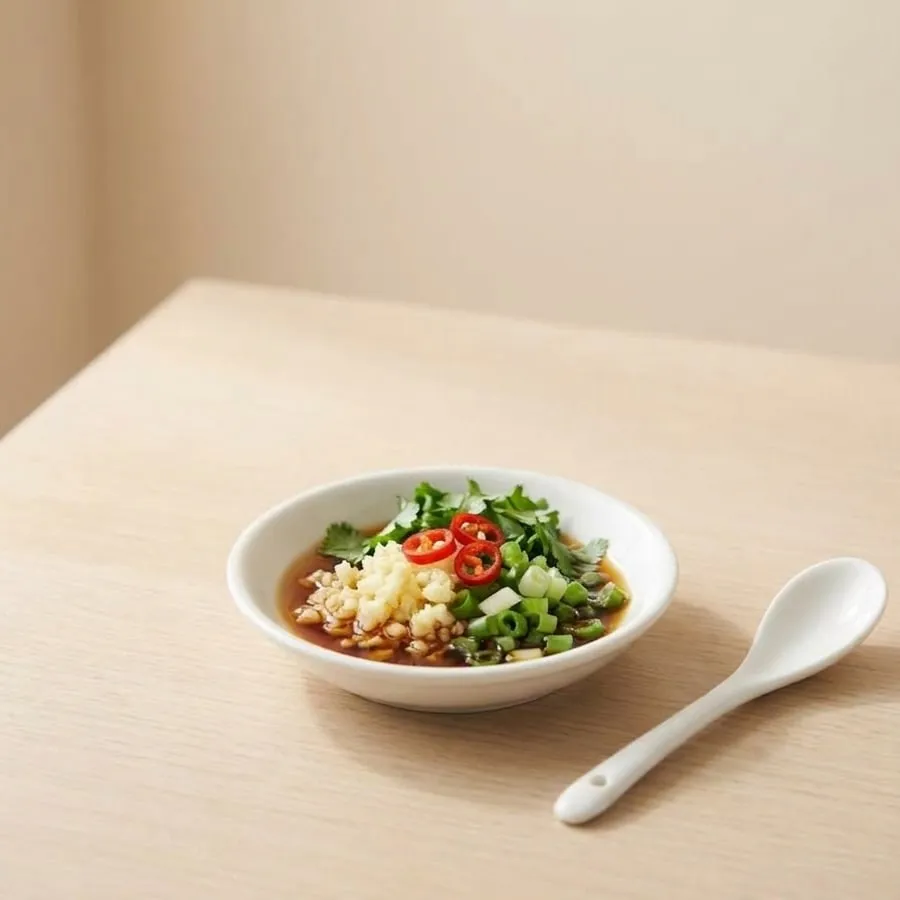
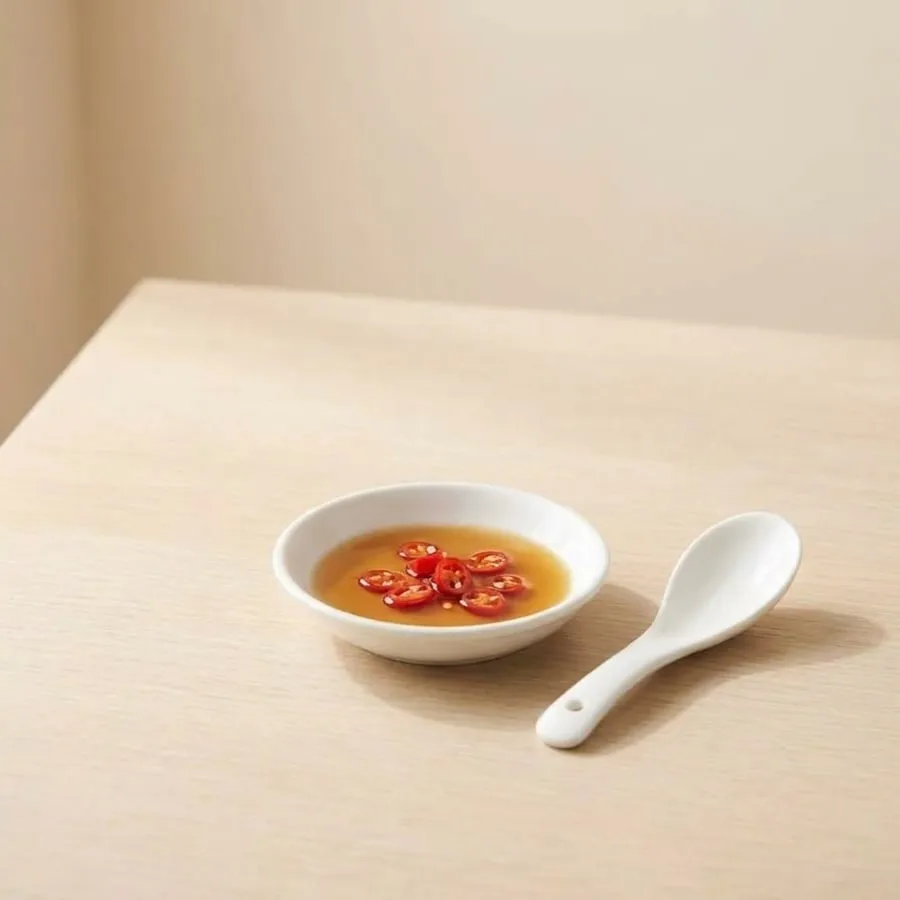
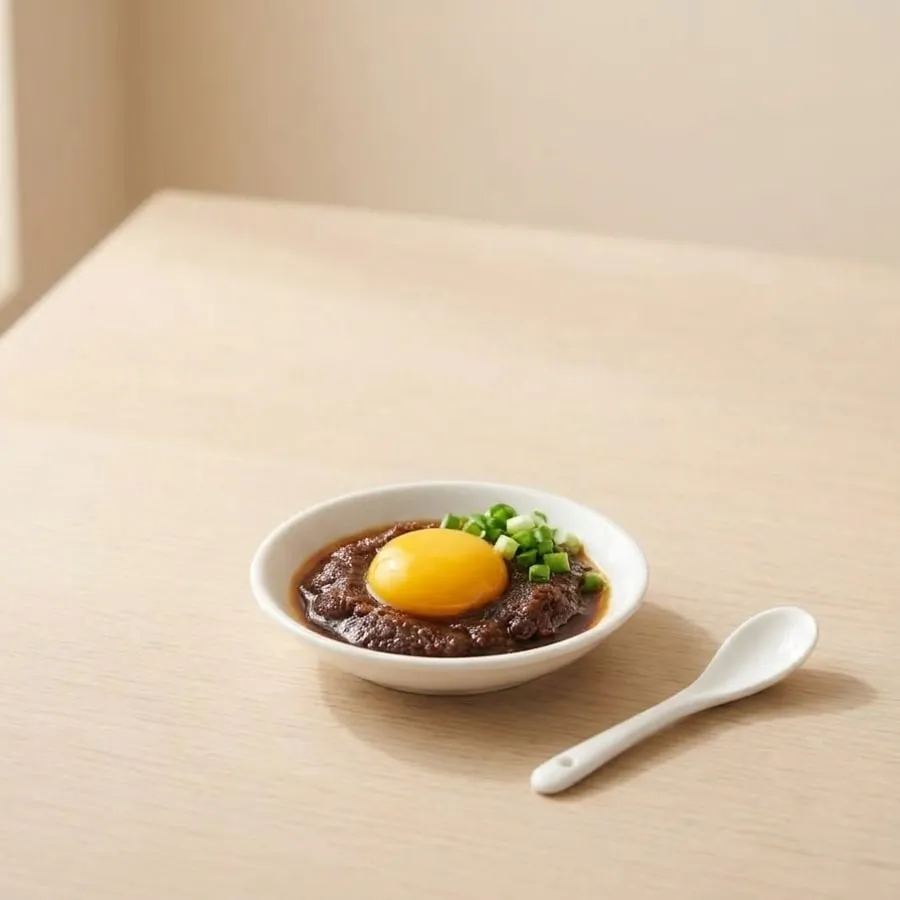
The sauce plate
Safe at the table
- Indoors, an induction plate or an electric hotpot is the safe choice. Australia’s gas safety regulators say butane cartridge stoves are for outdoor use only, because of the risk of carbon monoxide. If you do use one indoors, as Hong Kong homes do, keep it well ventilated, and never in a small or closed-up room.
- With a portable gas stove, never use a pot wider than the pot stand, about 20 cm at most unless the maker’s instructions allow more, and never one that reaches over the canister compartment. Never put two stoves side by side, and never leave one burning.
- Fit and remove the canister away from any flame or heat, with its notch facing up. Check for leaks with soapy water first, and do not use a stove that leaks or is damaged. Never put the stove on another cooker (an induction plate especially) or on anything hot, and put nothing between stove and pot that the maker did not supply: no foil, no extra stand.
- Buy a stove certified for Australia, set it on a level surface that will not burn, never on glass, and do not run it longer than the maker’s instructions allow. Keep sprays, lighters and paper well away. When you finish, turn it off, take the canister out and store it somewhere cool, dry and ventilated, never in a car or in the sun.
- Keep raw and cooked apart: use a separate pair of chopsticks or a slotted spoon for raw meat and seafood, and never eat from them.
- After topping the pot up, wait for it to come back to a full boil before anything goes in.
- Chicken, pork, liver and seafood must be cooked through before eating. Sliced pig’s liver needs at least three to five minutes at a full boil; Hong Kong’s Centre for Food Safety advises at least five minutes for seafood; clams boil until they open and then three to five minutes more, and any that stay shut are thrown away. Enoki boils at least two minutes and is never eaten raw.
- For pregnant women, children under five, older people and anyone with a weakened immune system: beef until no pink remains, and seafood for the full five minutes.
- Raw meat plates stay out no longer than two hours. Leftovers go into the fridge within two hours, keep no more than three days, and are reheated only once, until boiling hot.
Take care
- This base contains peanut (the Hong Kong satay sauce and the peanut butter), fish and shrimp (a crustacean, in the satay sauce), soy (the satay sauce and the carton stock) and milk (the evaporated milk); some curry pastes contain sesame or peanut, and some contain mustard (not a declared allergen). Anyone allergic to peanut should eat nothing cooked in this pot, and the wall of a divided pot does not stop broth splashing across at the boil: with a serious allergy at the table, use two pots.
- A satay base sticks and scorches easily: keep the flame low, scrape the bottom often and top it up as it thickens. A thick broth spits when it boils hard, so seat children a little further back.
The story
Ask Hong Kong people what makes a hotpot Hong Kong style and many will name the satay pot first. Where the satay paste came from is told several ways: the Chaozhou sha cha, the Chinese who came back from Southeast Asia, or the Malayan-style cafés. Letting it down with evaporated milk into a broth for a plate of beef is Hong Kong's own way.
Same kind
Lo Fo Tong is cultural food-heritage reference, not medical advice. If you are pregnant, unwell or on medication, talk to your doctor or registered practitioner before changing what is in the pot.