All hotpot › The soup bases
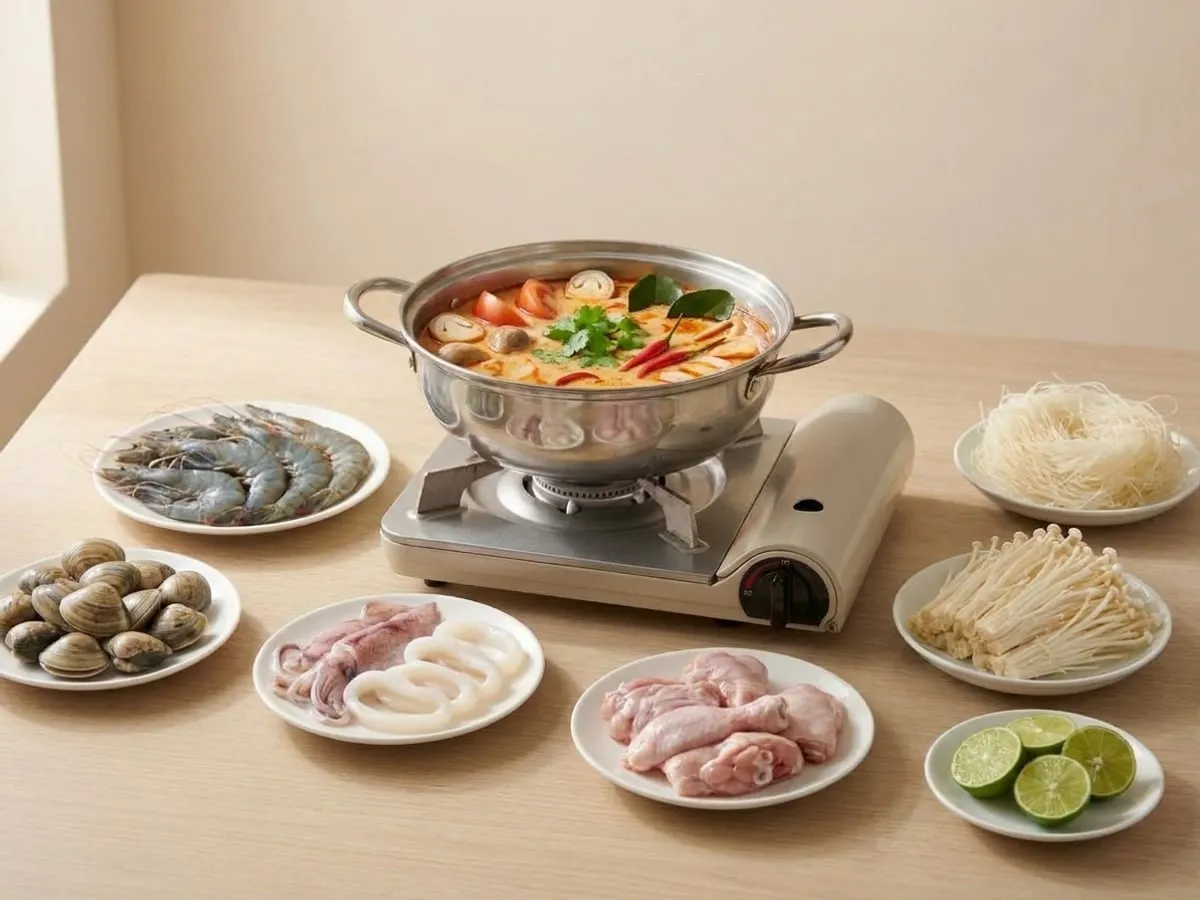
Tom yum broth
冬陰功湯底
“Squeeze in the lime at the very end. Boil it too long and it turns bitter.”
Ingredientsserves 6
街市Large prawns (fresh, head-on)· head-on, shell-on: the heads and shells for the broth, the meat for the pot600 g
Equipment
- A wok or a stockpot, for frying the prawn heads and making the broth
- A slotted spoon, for lifting out the shells and lemongrass
How the time splits
- 15 minPeel the prawns and fry the heads and shellshands on
- 15 minAdd the stock and aromatics and simmerhands off
- 5 minLift out the shells, add the coconut milk, fish sauce and lime juicehands on
Method
- Peel the prawns, keeping the heads and shells. Devein the meat and keep it in the fridge for the hotpot.
- Heat the oil in a wok and fry the heads and shells over a medium flame for about five minutes, until they turn red and smell good, pressing on the heads with the spatula so the rich juices run out.
- Add the lemongrass, galangal, shallots and chillies and fry for a minute more, stir in the tom yum paste, then pour in the stock and water and add the lime leaves.
- Bring it to the boil over a high flame, then turn it down and simmer for fifteen minutes. Lift out the shells, heads and lemongrass with a slotted spoon.
- Add the tomatoes and straw mushrooms and simmer for two minutes, then turn the flame low and add the coconut milk and 1 tablespoon of the fish sauce. Keep it off a hard boil from here in the kitchen. At the table the broth must come to a full boil before raw food goes in, and the coconut milk may separate a little; that is normal and does not change the taste.
- Squeeze in the lime juice only as you turn off the heat, then taste and add more fish sauce and lime as you like. Lime cooked for long turns bitter, so it always goes in last; when the broth thins out during the night, top it up and add a little more.
- Pour it into the hotpot, scatter over the coriander and take it to the table. Wait for a full boil before raw food goes in; top up with chicken stock or boiling water.
The short route
- A tom yum hotpot base packet from a supermarket or Chinese grocer, brought to the boil with water, with tomatoes, straw mushrooms and a little coconut milk; squeeze in lime juice before serving.
- No prawn shells: simmer the tom yum paste in chicken stock for ten minutes. The broth is lighter, so add an extra tablespoon of paste.
What goes in this pot
- Prawns: cooked once they turn red and curl
- Clams: cooked once they open; throw away any that stay shut
- Squid and fish slices: about a minute, eaten once they turn white
- Chicken pieces: in early, until there is no pink at the bone
- Enoki and straw mushrooms: they soak up the hot and sour broth; enoki needs at least two minutes
- Rice vermicelli or glass noodles: to finish
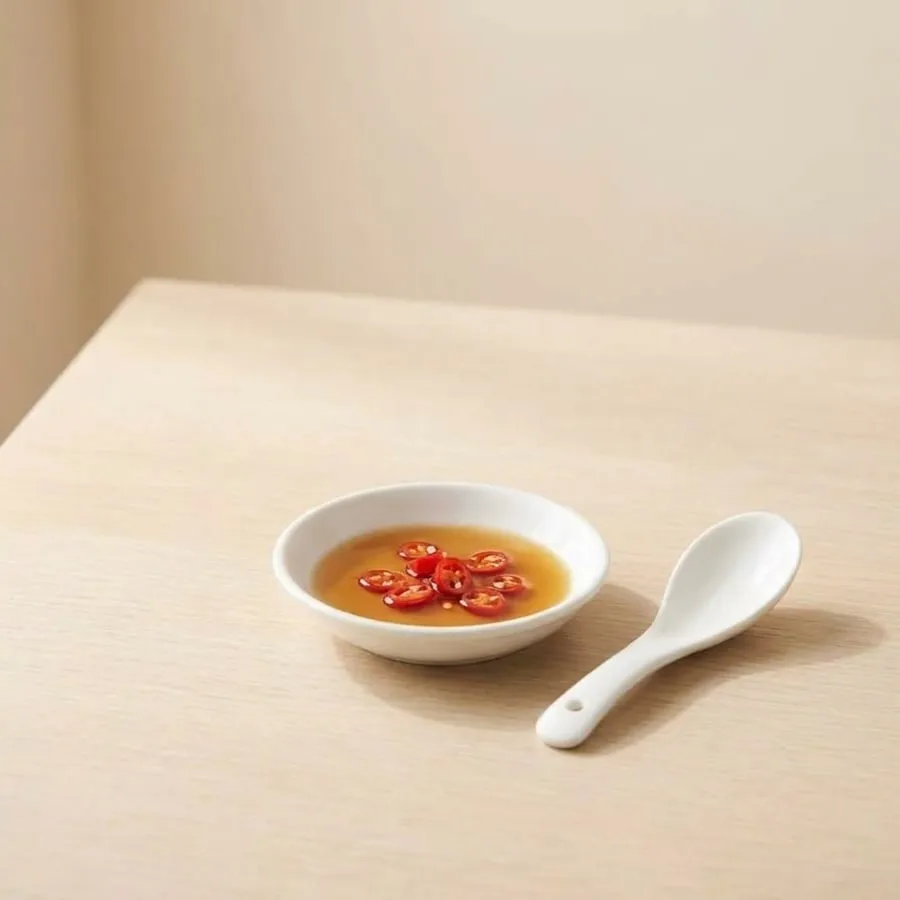
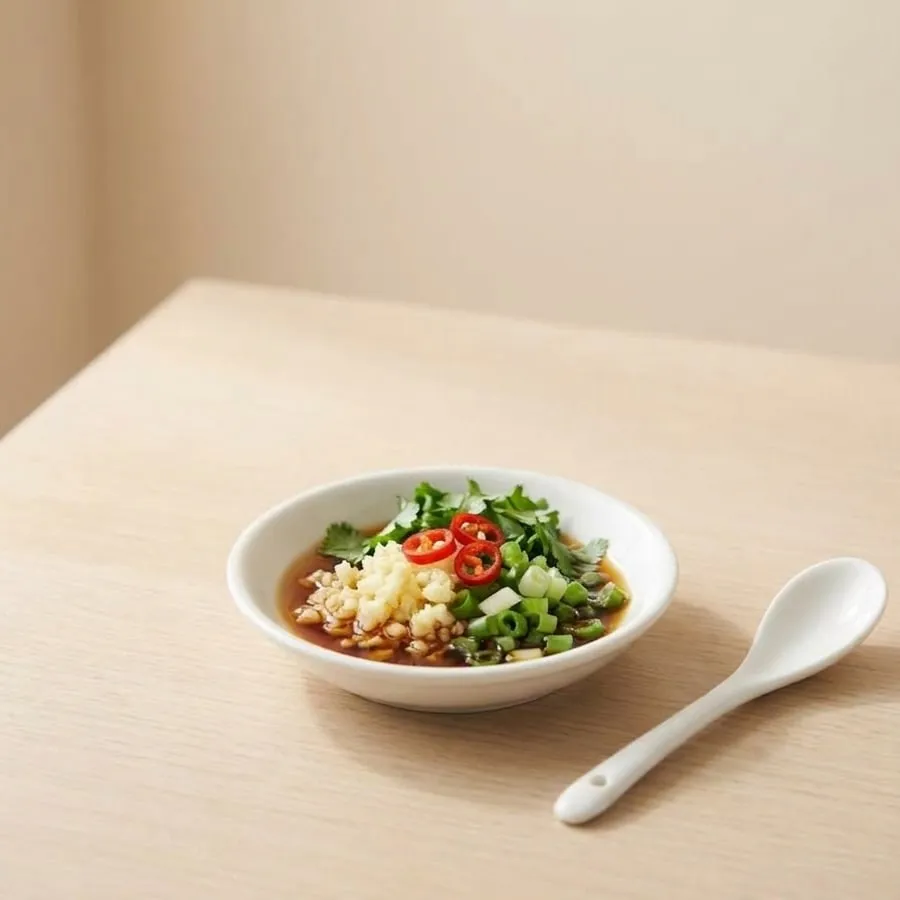
The sauce plate
Safe at the table
- Indoors, an induction plate or an electric hotpot is the safe choice. Australia’s gas safety regulators say butane cartridge stoves are for outdoor use only, because of the risk of carbon monoxide. If you do use one indoors, as Hong Kong homes do, keep it well ventilated, and never in a small or closed-up room.
- With a portable gas stove, never use a pot wider than the pot stand, about 20 cm at most unless the maker’s instructions allow more, and never one that reaches over the canister compartment. Never put two stoves side by side, and never leave one burning.
- Fit and remove the canister away from any flame or heat, with its notch facing up. Check for leaks with soapy water first, and do not use a stove that leaks or is damaged. Never put the stove on another cooker (an induction plate especially) or on anything hot, and put nothing between stove and pot that the maker did not supply: no foil, no extra stand.
- Buy a stove certified for Australia, set it on a level surface that will not burn, never on glass, and do not run it longer than the maker’s instructions allow. Keep sprays, lighters and paper well away. When you finish, turn it off, take the canister out and store it somewhere cool, dry and ventilated, never in a car or in the sun.
- Keep raw and cooked apart: use a separate pair of chopsticks or a slotted spoon for raw meat and seafood, and never eat from them.
- After topping the pot up, wait for it to come back to a full boil before anything goes in.
- Chicken, pork, liver and seafood must be cooked through before eating. Sliced pig’s liver needs at least three to five minutes at a full boil; Hong Kong’s Centre for Food Safety advises at least five minutes for seafood; clams boil until they open and then three to five minutes more, and any that stay shut are thrown away. Enoki boils at least two minutes and is never eaten raw.
- For pregnant women, children under five, older people and anyone with a weakened immune system: beef until no pink remains, and seafood for the full five minutes.
- Raw meat plates stay out no longer than two hours. Leftovers go into the fridge within two hours, keep no more than three days, and are reheated only once, until boiling hot.
Take care
- This broth contains prawns (crustacean); the clams and squid that go in are molluscs; fish sauce contains fish; tom yum paste usually contains shrimp and fish, and some contain soy, so read the jar. The soy in the saucers contains soy and wheat (gluten).
- The heat comes from the bird's eye chillies and the paste; if children are eating, use fewer chillies, or keep a clear broth on the other side of a split pot. Keep raw seafood away from other food and cook it right through: prawns red, fish white, clams open, and throw away any that stay shut. Wait for a full boil after every top-up before raw food goes in.
The story
Tom yum is Thailand's hot and sour soup. As a hotpot broth it is made with coconut milk and plenty of prawns, and it pairs well with a clear broth on the other side of a divided pot.
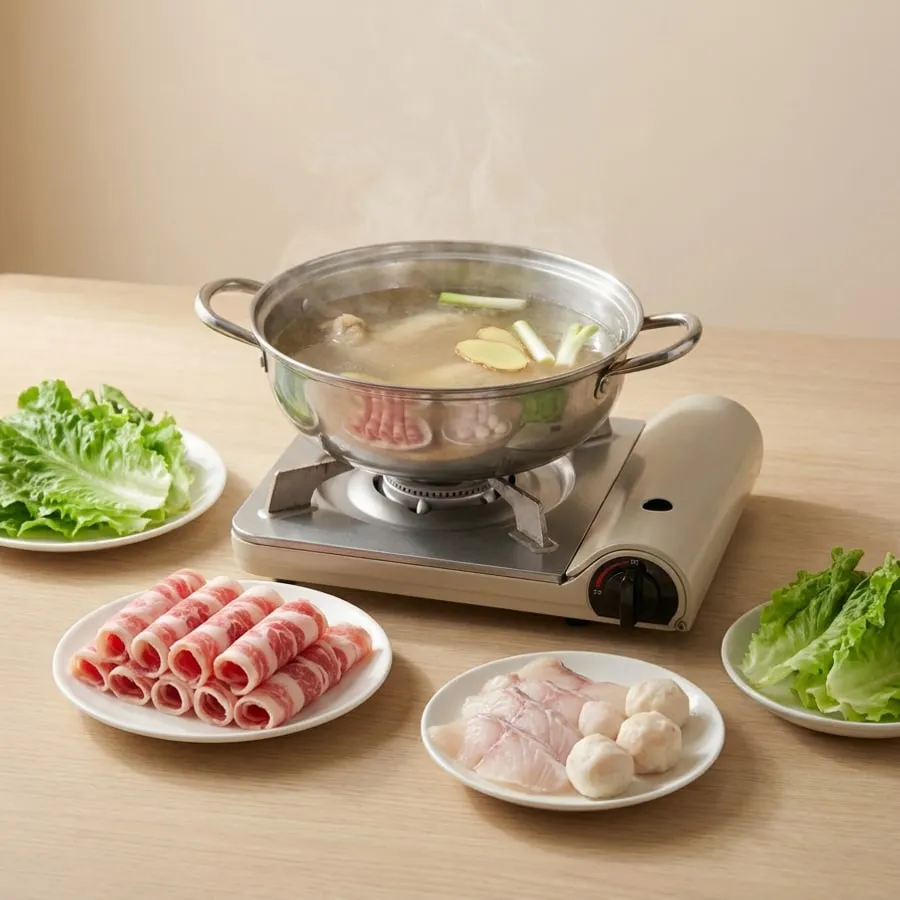
Same kind
Lo Fo Tong is cultural food-heritage reference, not medical advice. If you are pregnant, unwell or on medication, talk to your doctor or registered practitioner before changing what is in the pot.