All home cooking › Braised
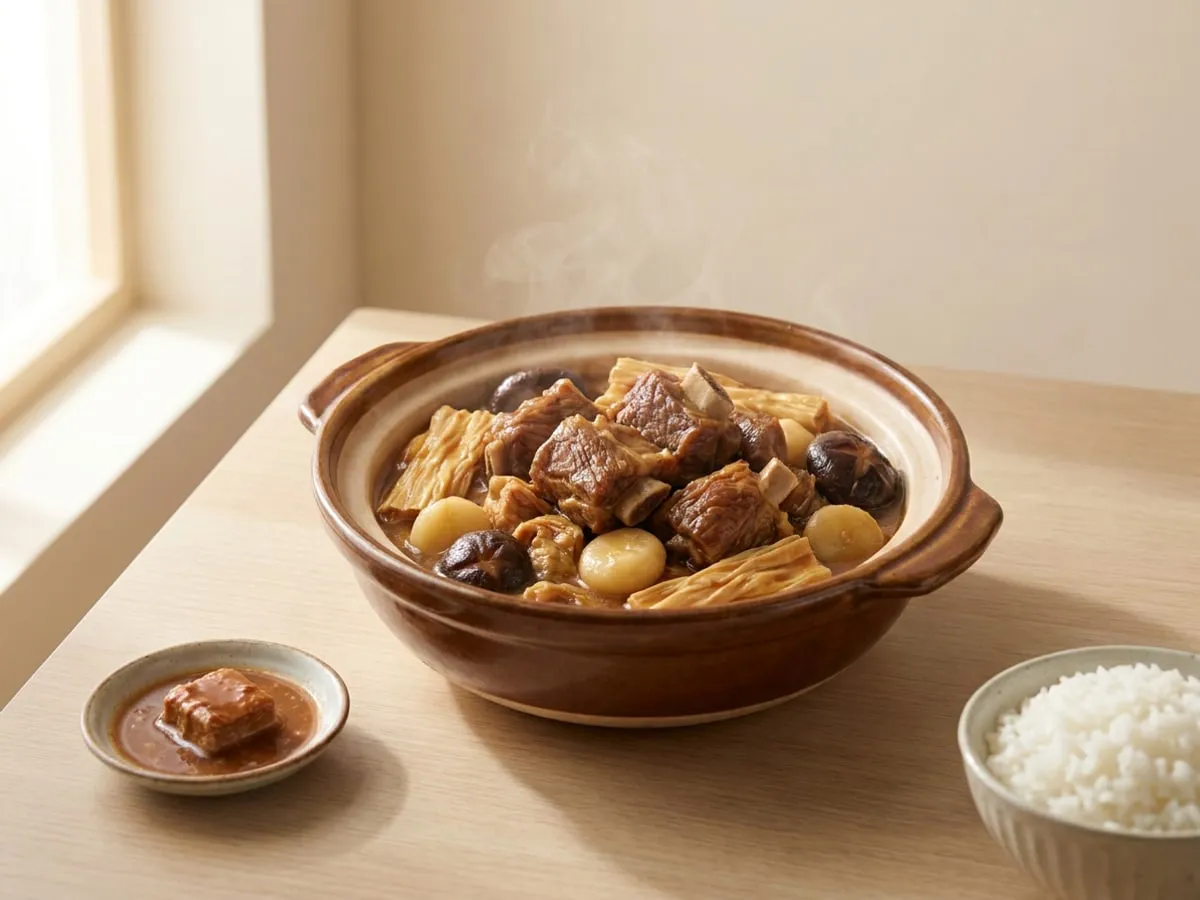
Lamb brisket with bean curd sticks
枝竹羊腩煲
“Give it time. It is better again tomorrow.”
Ingredientsserves 4
百子櫃Dried beancurd stick· bean curd sticks, broken in 5 cm lengths, soaked half an hour3 sticks, about 60 g
Method
- Blanch the lamb: cover with cold water with two slices of ginger and a splash of wine, bring to the boil, simmer five minutes, drain and rinse. Blanching, with the dried peel, is the standard Hong Kong answer to the gamey smell.
- Heat two tablespoons of oil in the pot and fry the ginger, shallots, garlic and star anise until fragrant; add the lamb and fry until the edges colour and the fat starts to run.
- Add the chu hou paste and the mashed white and red bean curd and fry a minute until every piece is coated; splash the wine down the side of the pot.
- Add four cups of water, the dried peel, sugarcane, rock sugar, oyster sauce and both soys; bring to the boil, skim, lid on and lowest heat for an hour and a quarter. Never let it boil hard, and the skin will not shrink.
- Add the mushrooms and water chestnuts for twenty minutes more. The soaked bean curd sticks go in last, ten minutes, so they soften without falling apart.
- Move to a hot claypot (or stay in the pot you cooked in), reduce the sauce a little uncovered and take it to the table bubbling. The lettuce goes into the sauce at the table to wilt; mash a cube of white bean curd with a teaspoon of sugar and a little of the braising liquid for the dip.
Take care
- Contains soy and wheat (chu hou paste, both bean curds, soy sauce, oyster sauce) and sesame (chu hou paste); oyster sauce contains mollusc (oyster). Lamb must be cooked through, which at these times it is well past.
The story
Lamb brisket claypot is Hong Kong's winter, the pot that appears on dai pai dong and claypot menus the week the Observatory says the temperature will drop, and the dish the city's food press ranks every December (HK01, U Food, ELLE and Weekend HK all run annual lists). It is a Cantonese braise with a Chiu Chow inflection, white bean curd as both seasoning and dip, and bean curd sticks to make a pound of meat feed a table.
Same technique
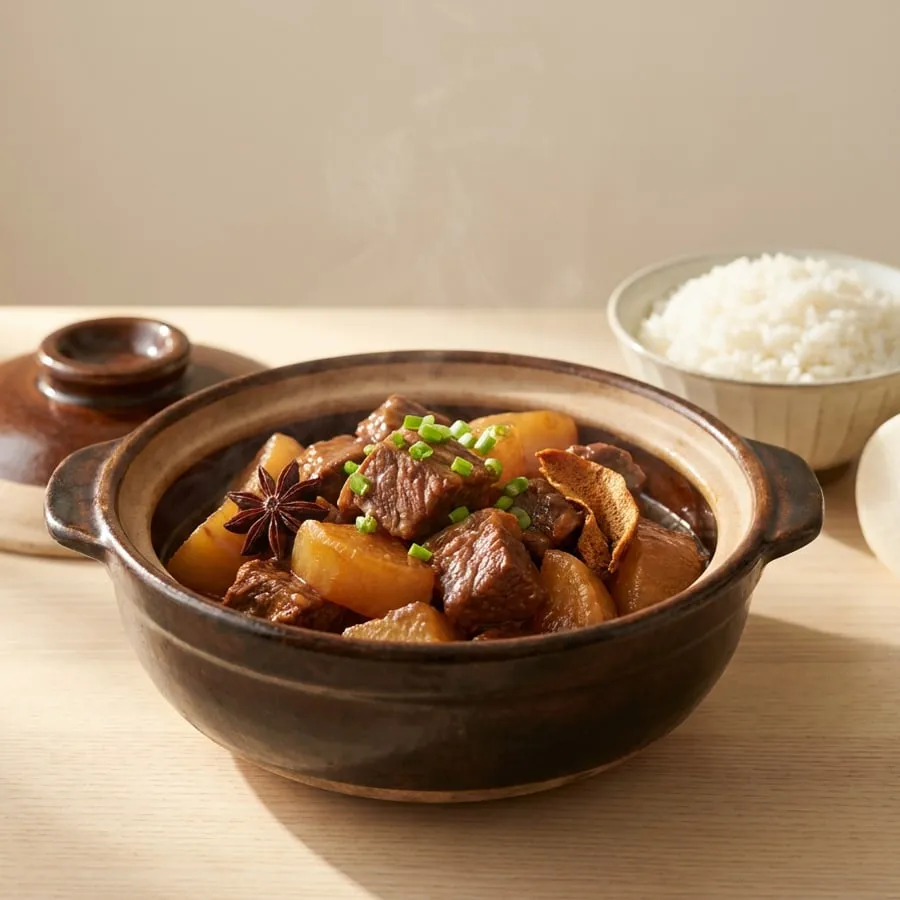
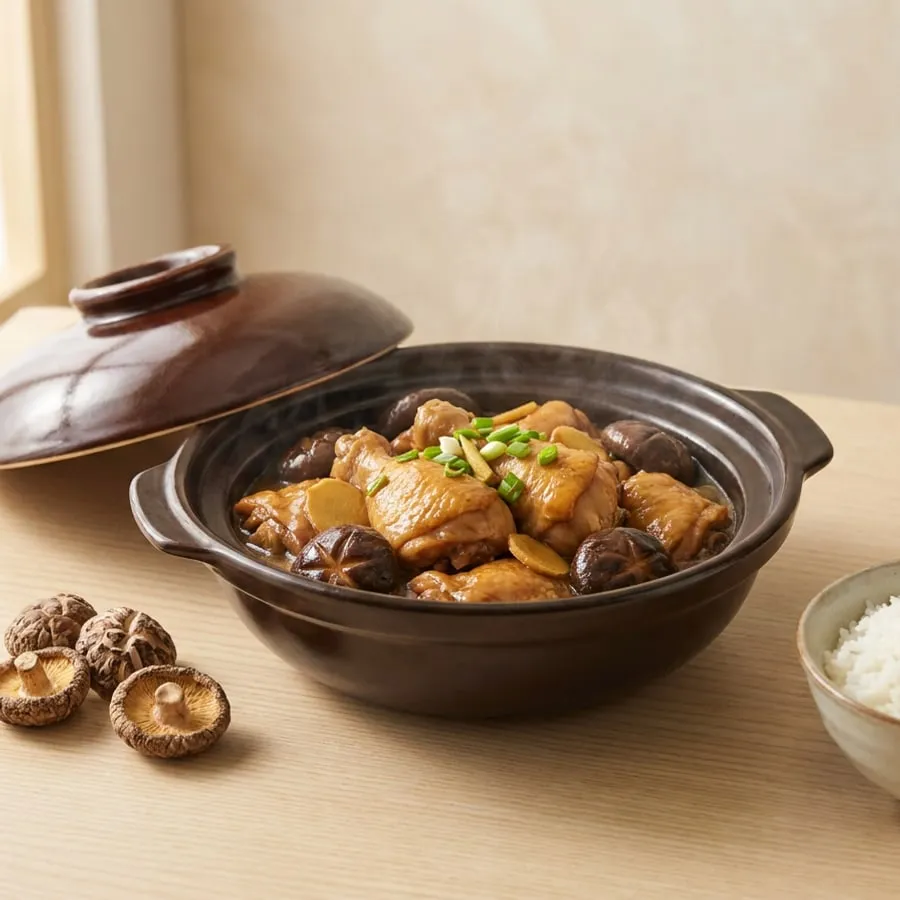
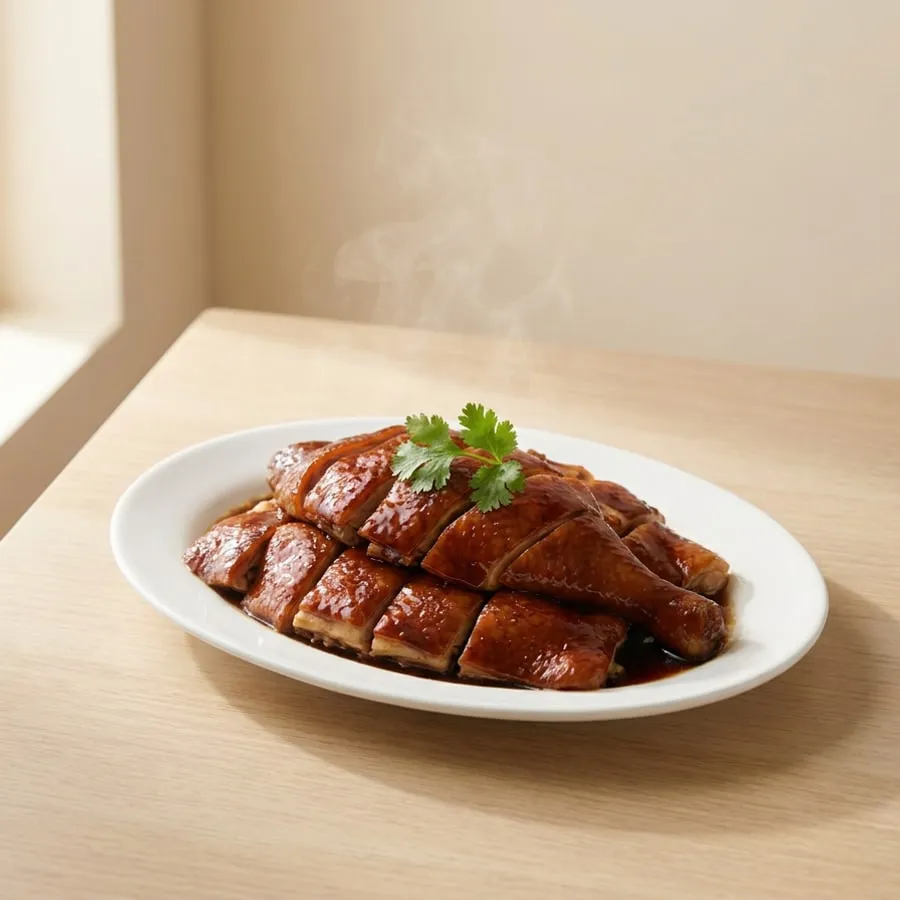
Lo Fo Tong is cultural food-heritage reference, not medical advice. If you are pregnant, unwell or on medication, talk to your doctor or registered practitioner before changing what is in the pot.